

























iOS 26 photo bug adds red tint to Android images
A software flaw in Apple’s iOS 26 has caused photographs shared from Android devices to display with an unexpected red tint when viewed on iPhones, triggering complaints across user forums and social platforms and underscoring persistent friction between the two mobile ecosystems. Users began reporting that images sent from Android phones via common messaging and sharing methods appeared noticeably warmer or reddish on iPhones running iOS 26, […] The article iOS 26 photo bug adds red tint to Android images appeared first on Arabian Post.

A software flaw in Apple’s iOS 26 has caused photographs shared from Android devices to display with an unexpected red tint when viewed on iPhones, triggering complaints across user forums and social platforms and underscoring persistent friction between the two mobile ecosystems.
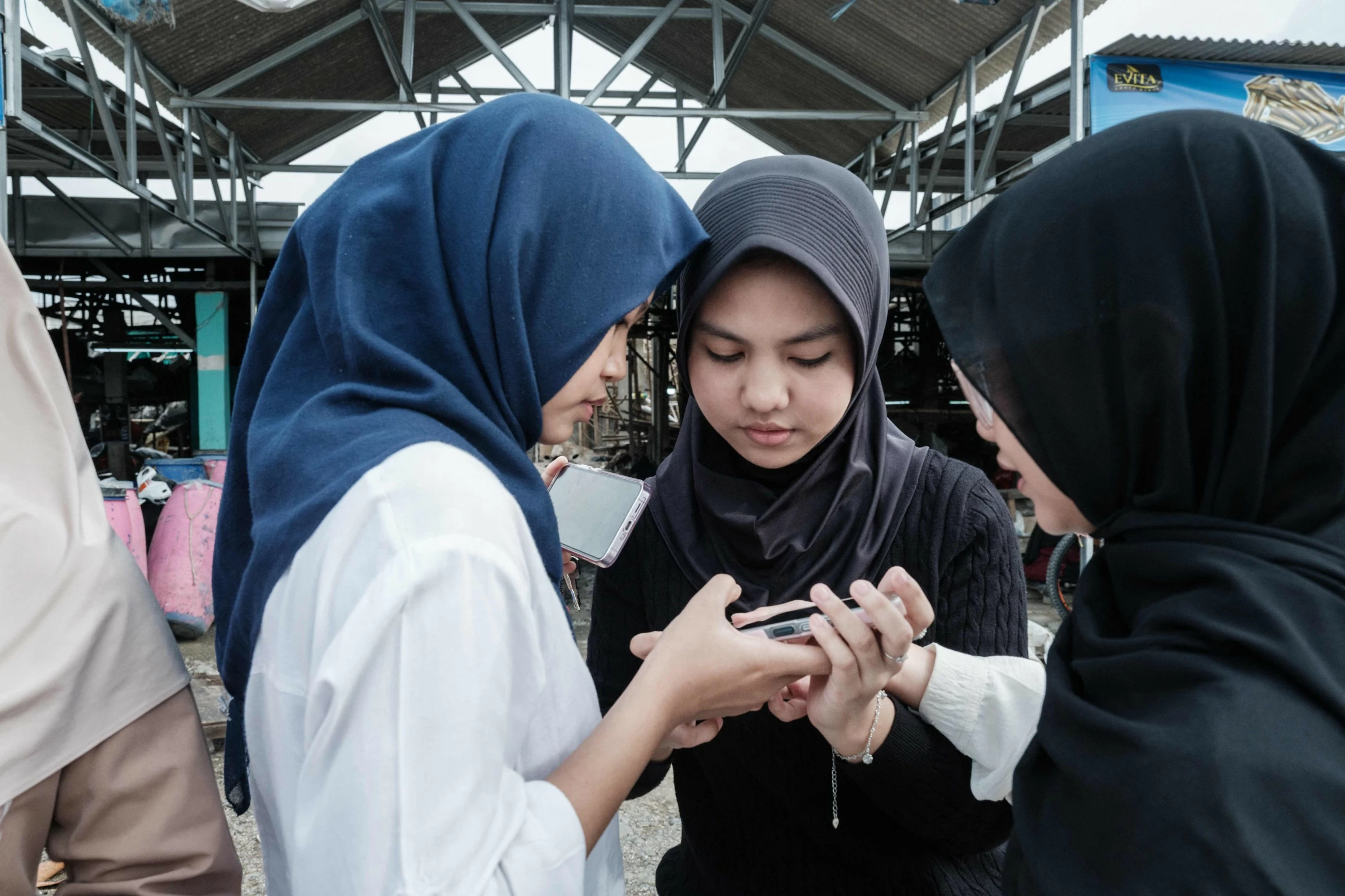
Users began reporting that images sent from Android phones via common messaging and sharing methods appeared noticeably warmer or reddish on iPhones running iOS 26, even though the same files looked normal on the sending devices and when opened on non-Apple platforms. The issue has been traced to how the iPhone’s Photos app renders colour data embedded in certain image files originating from Android devices.
According to people familiar with the matter, the glitch appears linked to differences in colour profiles and metadata handling between Android’s image processing pipeline and Apple’s rendering engine. Many Android devices capture photos using colour spaces such as Display P3 or embed proprietary metadata that requires accurate interpretation by the receiving software. On iOS 26, that translation process appears to be misfiring under specific conditions, leading to a visible red cast.
Apple has acknowledged the reports and said it is investigating the behaviour, though the company has not publicly detailed the technical cause or provided a timeline for a fix. Engineers are understood to be assessing whether the problem lies in the Photos app itself or in the broader system-level image framework introduced with iOS 26.
The glitch has proved particularly frustrating for users who regularly exchange images across platforms, including families, workplaces and creative professionals who rely on consistent colour reproduction. Several photographers and designers have noted that even minor colour shifts can distort skin tones, branding colours or visual intent, making the bug more than a cosmetic annoyance.
Within user communities, a series of informal workarounds has emerged. Some users report that converting images to standard sRGB colour space before sharing reduces the likelihood of the red tint appearing. Others have found that sending photos as documents rather than compressed images through messaging apps preserves accurate colours, though at the cost of convenience and file size. Screenshotting the image on the Android device before sending has also been cited as a temporary fix, albeit one that degrades quality.
The episode has revived broader debate about interoperability between Apple and Google’s mobile platforms. While both companies have taken steps to improve cross-platform experiences, including support for richer messaging standards and shared media formats, subtle incompatibilities remain common. Differences in default colour management, compression algorithms and metadata standards often surface only when software updates alter long-standing behaviour.
Industry analysts note that Apple’s tightly controlled ecosystem can deliver consistent results within its own hardware and software stack, but that same optimisation sometimes exposes edge cases when interacting with external systems. Android, by contrast, spans a wide range of manufacturers and camera technologies, increasing the likelihood of varied metadata and colour profiles entering the sharing pipeline.
The timing of the issue has also drawn attention, as iOS 26 introduced a number of under-the-hood changes aimed at improving photo quality, HDR handling and computational imaging. Such changes can inadvertently affect compatibility with files generated outside Apple’s ecosystem. Past iOS updates have seen similar, if less visible, issues later resolved through point releases.
For Google, whose Android platform serves billions of devices worldwide, the incident highlights the ongoing challenge of ensuring that images captured on diverse hardware are faithfully displayed elsewhere. While Android adheres largely to open standards, manufacturers often add enhancements that can complicate cross-platform interpretation when receiving software is not fully aligned.
Consumer advocates argue that such glitches, though technically complex, erode user trust and reinforce perceptions of digital silos. They point out that most users expect photos to look the same regardless of the phone used to view them, especially as image sharing has become a daily social activity rather than a specialist task.
The article iOS 26 photo bug adds red tint to Android images appeared first on Arabian Post.
What's Your Reaction?