






























How Ozempic, GLP-1 drugs are reshaping food shopping habits in UAE
The growing popularity of Ozempic and other weight-loss drugs is changing the way people eat, with consumers opting for smaller portions while prioritising higher-quality food, according to food industry expert Phil Lempert.Lempert said shoppers in the UAE are shifting toward wellness and health-consciousness consumption, and in turn are buying higher-quality foods in smaller portions. “We’re seeing that consumers are buying less. They're taking fewer trips. And also, they're being smarter about what they buy,” the founder and CEO of SupermarketGuru added.He was speaking at Gulfood — the world’s largest food and hospitality event — where he delivered a session on how global food shopping is being reshaped by three major forces: the growing 'loneliness epidemic', the rise of GLP-1 drugs, and the 'no-buy' movements. Stay up to date with the latest news. Follow KT on WhatsApp Channels.Lempert, whose website analyses trends in food marketing and retail, has appeared on The Oprah Winfrey Show and The View and is also a columnist for Forbes magazine. Rise of weight loss drugsResponding to a question from Khaleej Times, the food trends analyst said that people are moving away from ultra-processed, cheaper alternatives, in favour of smaller, better quality meals that make them feel better about themselves. This, he said, is mainly attributed to GLP-1 medications, which is now widespread amongst non-diabetes patients.GLP-1s are a class of medication used to manage blood sugar levels for people with diabetes but has gained popularity amongst the general public for its weight loss properties. GLP-1S are injected with a needle into the body, but Novo Nordisk, the Danish pharmaceutical group that produces the diabetes medicine Ozempic, introduced last month the medication in pill form. Lempert said that because it doesn’t require injection and is sold at “a lower price”, GLP-1 usage might “double or triple in a very short (time)."‘More trips, smaller baskets’“What we're seeing post-COVID is an increase in loneliness more than ever before. How has it changed how we buy our food? Number one, more trips, smaller baskets,” Lempert said.He pointed to the fact that some supermarkets are tackling this problem by forcing consumers to communicate either with one another or with the staff members. “A lot of retailers, Kroger (an American retail company) leading the pack in the U.S., are creating more communal tables, more cafes for people, more cooking demos,” he said.“The staff in these stores are being trained on how to have human connections. We've never seen that before. We've seen staff learn how to unpack boxes, put it on shelves. But now we're seeing staff being trained on how to talk to people, how to communicate with people properly,” he added.High-quality, affordable productsLocally, UAE-based supermarket chain Grandiose also has different outlets to make consumers socialise a bit more when buying groceries. One of which is its food avenue, an area where food is prepared for a customer inside the store itself.The supermarket also found that its customers are opting for premium, high-quality products that are at the same time affordable. The CEO, Mussaab Aboud, told Khaleej Times that products don’t have to be expensive for it to be of good quality. “Food doesn't have to be expensive and at the same time quality doesn't have to be expensive,” he said. “So it's easy to afford, easy to pay for and something that you would really enjoy and you feel the quality of it while you are consuming.”Mussaab AboudOzempic Meals? Restaurants shrink portions to match bite-sized hungerAre protein shakes replacing real meals for UAE gym-goers? Doctors urge balanceUS regulatory approves first GLP-1 pill for weight loss
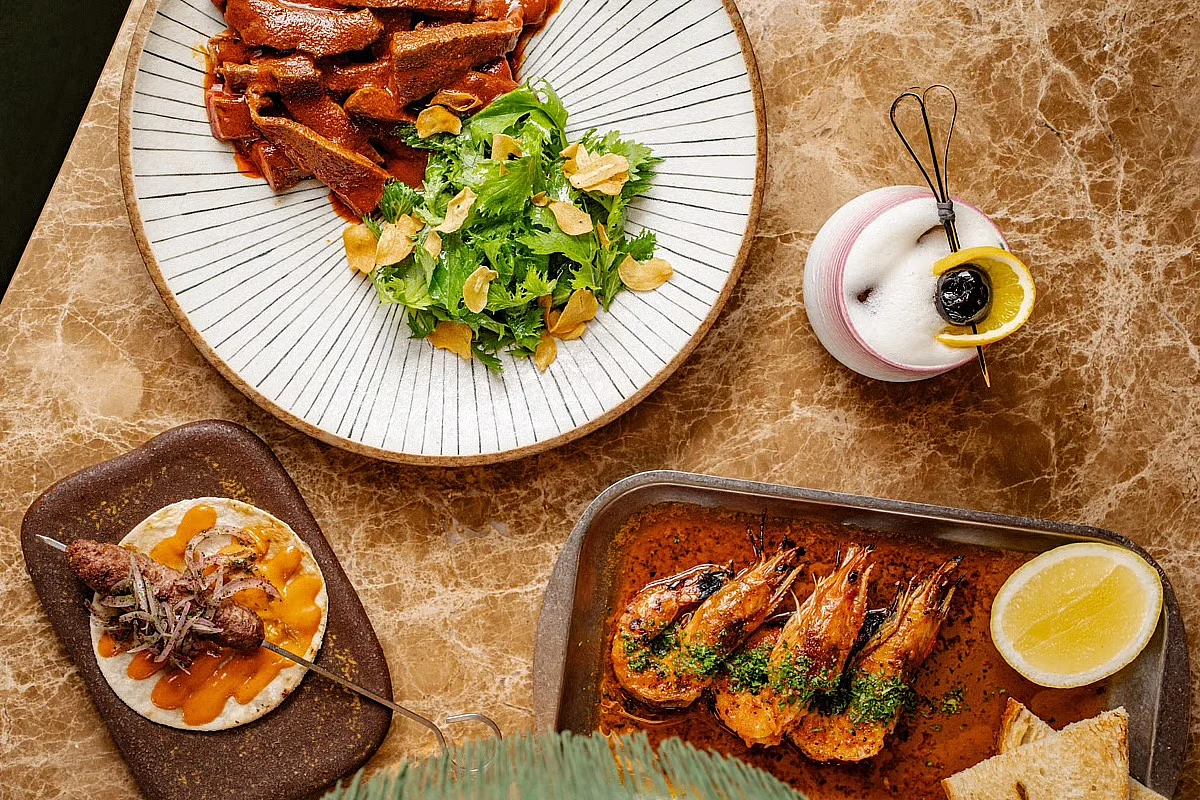
The growing popularity of Ozempic and other weight-loss drugs is changing the way people eat, with consumers opting for smaller portions while prioritising higher-quality food, according to food industry expert Phil Lempert.
Lempert said shoppers in the UAE are shifting toward wellness and health-consciousness consumption, and in turn are buying higher-quality foods in smaller portions. “We’re seeing that consumers are buying less. They're taking fewer trips. And also, they're being smarter about what they buy,” the founder and CEO of SupermarketGuru added.
He was speaking at Gulfood — the world’s largest food and hospitality event — where he delivered a session on how global food shopping is being reshaped by three major forces: the growing 'loneliness epidemic', the rise of GLP-1 drugs, and the 'no-buy' movements.
Stay up to date with the latest news. Follow KT on WhatsApp Channels.
Lempert, whose website analyses trends in food marketing and retail, has appeared on The Oprah Winfrey Show and The View and is also a columnist for Forbes magazine.
Rise of weight loss drugs
Responding to a question from Khaleej Times, the food trends analyst said that people are moving away from ultra-processed, cheaper alternatives, in favour of smaller, better quality meals that make them feel better about themselves. This, he said, is mainly attributed to GLP-1 medications, which is now widespread amongst non-diabetes patients.
GLP-1s are a class of medication used to manage blood sugar levels for people with diabetes but has gained popularity amongst the general public for its weight loss properties. GLP-1S are injected with a needle into the body, but Novo Nordisk, the Danish pharmaceutical group that produces the diabetes medicine Ozempic, introduced last month the medication in pill form. Lempert said that because it doesn’t require injection and is sold at “a lower price”, GLP-1 usage might “double or triple in a very short (time)."
‘More trips, smaller baskets’
“What we're seeing post-COVID is an increase in loneliness more than ever before. How has it changed how we buy our food? Number one, more trips, smaller baskets,” Lempert said.
He pointed to the fact that some supermarkets are tackling this problem by forcing consumers to communicate either with one another or with the staff members. “A lot of retailers, Kroger (an American retail company) leading the pack in the U.S., are creating more communal tables, more cafes for people, more cooking demos,” he said.
“The staff in these stores are being trained on how to have human connections. We've never seen that before. We've seen staff learn how to unpack boxes, put it on shelves. But now we're seeing staff being trained on how to talk to people, how to communicate with people properly,” he added.
High-quality, affordable products
Locally, UAE-based supermarket chain Grandiose also has different outlets to make consumers socialise a bit more when buying groceries. One of which is its food avenue, an area where food is prepared for a customer inside the store itself.
The supermarket also found that its customers are opting for premium, high-quality products that are at the same time affordable. The CEO, Mussaab Aboud, told Khaleej Times that products don’t have to be expensive for it to be of good quality.
“Food doesn't have to be expensive and at the same time quality doesn't have to be expensive,” he said. “So it's easy to afford, easy to pay for and something that you would really enjoy and you feel the quality of it while you are consuming.” Mussaab Aboud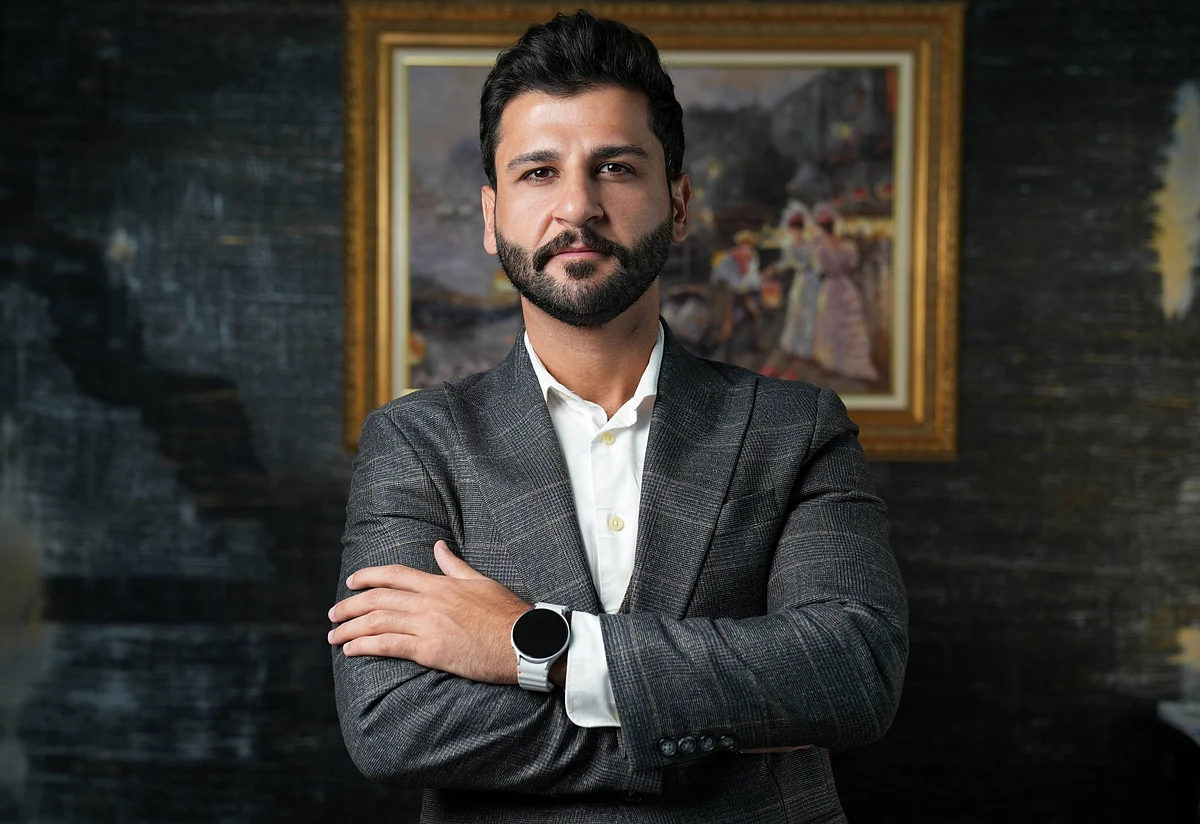
What's Your Reaction?