




























Gulf debt liquidity weakens amid conflict strain
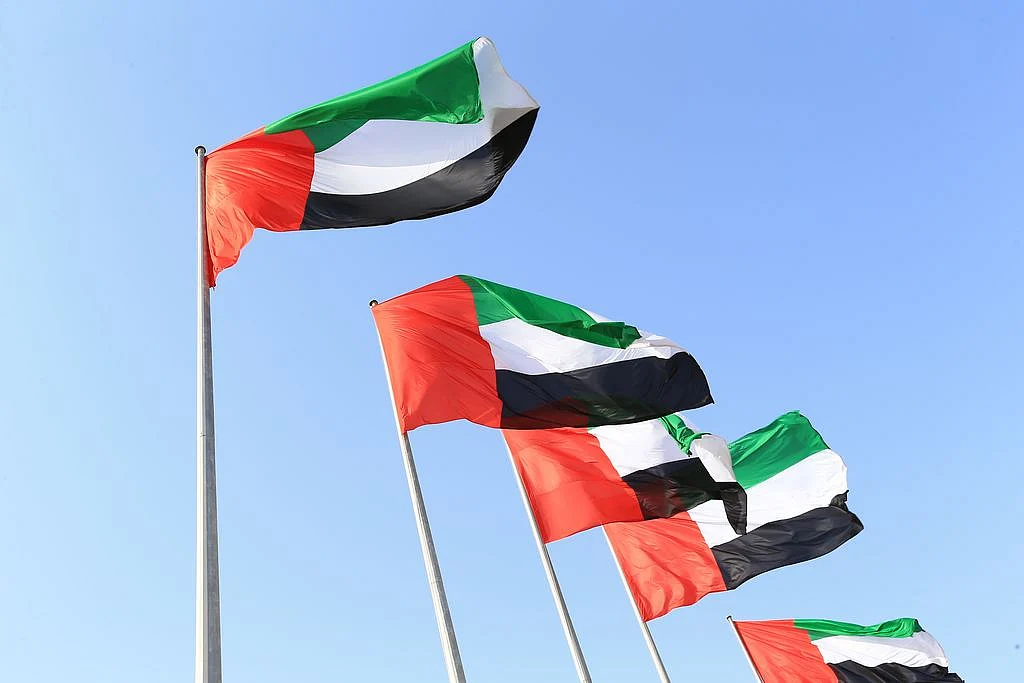
Liquidity conditions in Gulf Cooperation Council dollar-denominated debt markets have deteriorated sharply as geopolitical tensions tied to the US-Israel and Iran conflict weigh on investor sentiment and trading activity, according to new assessments by Fitch Ratings. The agency reported that the average liquidity assessment score for GCC US dollar sukuk dropped to 45 on March 23, 2026, from 56 at the end of 2025. Conventional US dollar […]The article Gulf debt liquidity weakens amid conflict strain appeared first on Arabian Post.

Liquidity conditions in Gulf Cooperation Council dollar-denominated debt markets have deteriorated sharply as geopolitical tensions tied to the US-Israel and Iran conflict weigh on investor sentiment and trading activity, according to new assessments by Fitch Ratings.
The agency reported that the average liquidity assessment score for GCC US dollar sukuk dropped to 45 on March 23, 2026, from 56 at the end of 2025. Conventional US dollar bonds in the region also saw a decline, with average liquidity scores falling to 48 from 53 over the same period, indicating thinner trading volumes and wider bid-ask spreads across both segments of the market.
Market participants point to heightened geopolitical risk as a central factor behind the shift. Escalating tensions involving Iran, Israel and the United States have triggered a reassessment of risk exposure among global investors, prompting more cautious positioning in emerging market fixed income assets, including those issued by Gulf sovereigns and corporates.
Liquidity assessment scores, widely used to gauge how easily securities can be traded without significant price disruption, have declined across maturities and credit categories. Analysts say the drop reflects both reduced participation from international investors and a tendency among regional holders to retain positions rather than trade actively during periods of uncertainty.
The sukuk segment, which forms a substantial share of GCC debt issuance, has been particularly affected. Islamic bonds often attract a narrower investor base compared with conventional instruments, making them more sensitive to shifts in market sentiment. The fall in liquidity scores suggests that even high-quality issuers are experiencing reduced secondary market activity.
Despite the decline, underlying credit fundamentals in several Gulf economies remain relatively stable, supported by energy revenues and fiscal buffers. Governments across the region have continued to benefit from oil export income, which has provided a degree of insulation against external shocks. However, analysts caution that market technicals, including liquidity, can diverge from fundamentals during periods of geopolitical stress.
The impact has not been uniform across the GCC. Larger and more frequently traded issuers, particularly sovereign and quasi-sovereign entities, have retained comparatively better liquidity profiles. Smaller corporate issuers and longer-dated instruments have faced more pronounced declines, reflecting their higher sensitivity to investor risk appetite.
Portfolio managers indicate that widening spreads and reduced trading volumes have made price discovery more challenging. Some investors have shifted towards shorter-duration assets or higher-rated securities, while others have opted to hold cash or redeploy capital into markets perceived as less exposed to geopolitical risk.
Regional financial institutions, including banks and asset managers, have played a stabilising role by maintaining participation in primary and secondary markets. Their presence has helped cushion the impact of foreign outflows, although it has not fully offset the decline in overall liquidity.
The broader implications extend to funding conditions. While primary issuance has continued, issuers may face higher borrowing costs if subdued liquidity persists. A less liquid secondary market can translate into increased yields demanded by investors at issuance, particularly for lower-rated borrowers or those with longer tenors.
Market observers note that geopolitical developments remain the key variable shaping near-term dynamics. Any escalation or de-escalation in tensions involving Iran, Israel and the United States is likely to have a direct effect on investor confidence and trading activity in GCC debt markets.
At the same time, structural factors continue to underpin the region’s fixed income landscape. Ongoing diversification efforts, regulatory reforms and the expansion of local investor bases have contributed to the growth of GCC debt markets over the past decade. These elements may help support resilience even as external shocks disrupt liquidity conditions.
Central banks in the Gulf, many of which maintain currency pegs to the US dollar, have limited flexibility in adjusting monetary policy independently of the Federal Reserve. As a result, higher global interest rates have also influenced investor behaviour, compounding the effects of geopolitical uncertainty.
Trading data suggests that liquidity conditions began to weaken progressively as tensions escalated, with March marking a notable inflection point. Dealers report thinner order books and increased volatility in pricing, particularly for less frequently traded securities.
The article Gulf debt liquidity weakens amid conflict strain appeared first on Arabian Post.
What's Your Reaction?