






























Goldman Sachs weighs entry into prediction markets
Goldman Sachs is examining whether to engage with the fast-growing prediction-markets sector, a move that could reshape how Wall Street views platforms long seen as niche or legally ambiguous. Chief executive David Solomon has confirmed that the bank has held discussions with executives from Polymarket and Kalshi, describing these venues as sophisticated markets that resemble derivatives trading more than online betting. The conversations underscore a strategic recalibration […] The article Goldman Sachs weighs entry into prediction markets appeared first on Arabian Post.
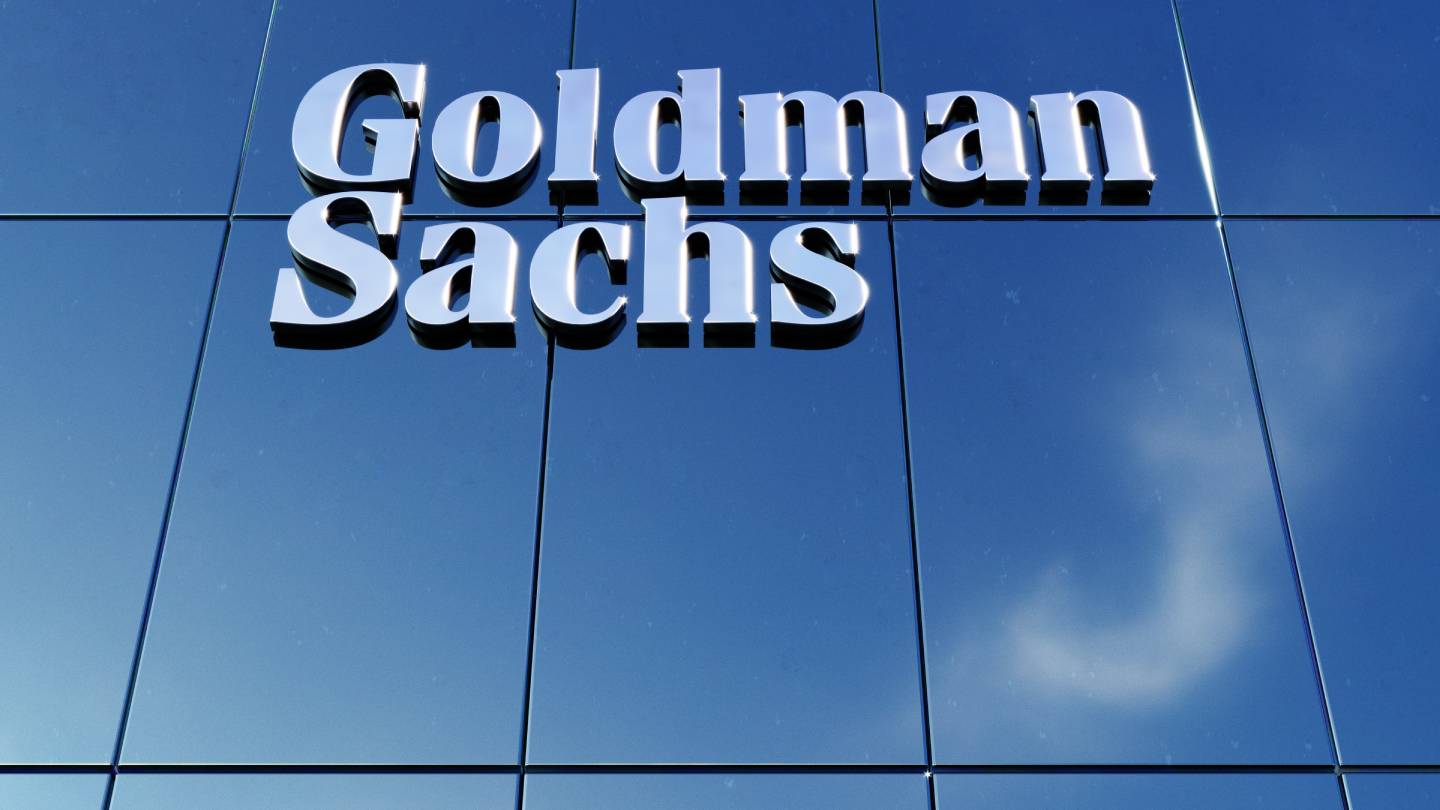
Goldman Sachs is examining whether to engage with the fast-growing prediction-markets sector, a move that could reshape how Wall Street views platforms long seen as niche or legally ambiguous. Chief executive David Solomon has confirmed that the bank has held discussions with executives from Polymarket and Kalshi, describing these venues as sophisticated markets that resemble derivatives trading more than online betting.
The conversations underscore a strategic recalibration at Goldman Sachs, which has been searching for new areas where its trading expertise can be deployed without taking on balance-sheet risk. Prediction markets, where contracts are priced on the probability of future events ranging from elections to economic indicators, offer a structure familiar to traders accustomed to options and futures, even as they operate at the edges of financial regulation.
Solomon’s characterisation of these platforms as derivatives rather than gambling is significant. It aligns with an argument made by market advocates that prediction contracts aggregate information efficiently and can serve as forecasting tools for businesses and policymakers. That framing also hints at how a major bank might justify involvement to regulators and clients, especially at a time when scrutiny of alternative trading venues has intensified.
Polymarket and Kalshi have followed different paths within the same ecosystem. Polymarket, based offshore, has built a large user base trading on political and economic outcomes using blockchain-based settlement. Kalshi, by contrast, operates as a regulated exchange in the United States, overseen by the Commodity Futures Trading Commission, and lists event contracts designed to comply with federal commodities law. Goldman’s outreach to both suggests it is assessing multiple models rather than backing a single regulatory approach.
Interest from an institution of Goldman’s stature carries broader implications for the sector. Prediction markets have grown rapidly during high-profile political cycles and periods of macroeconomic uncertainty, drawing participants who view them as alternatives to opinion polls or traditional hedging instruments. Liquidity has improved, contract design has become more sophisticated and data from these markets is increasingly cited in policy and media discussions, even as critics question whether prices can be distorted by large traders or coordinated bets.
For banks, the appeal lies less in retail participation and more in the analytical and trading applications. Event contracts can, in theory, be used to hedge exposure to policy decisions, regulatory changes or geopolitical outcomes that affect asset prices. Goldman has a long history of packaging and trading complex instruments, and executives see parallels between prediction markets and the early days of financial derivatives, when products were initially viewed with scepticism before becoming mainstream.
Regulatory hurdles remain a central consideration. The CFTC has at times challenged the scope of event contracts, particularly those linked to elections, arguing they may conflict with public-interest standards. Kalshi has faced legal disputes over which contracts it can list, while Polymarket has previously limited access for United States users. Any formal role for a global bank would require careful navigation of these constraints, potentially through advisory services, market-making technology or data partnerships rather than direct participation.
Industry analysts note that Goldman’s exploration does not equate to an imminent launch of products, but it does signal a shift in tone. Large financial institutions have traditionally kept their distance from prediction markets to avoid reputational and compliance risks. Engagement by a top-tier bank could lend credibility to the idea that these platforms are legitimate information markets, accelerating efforts by operators to standardise rules, improve transparency and court institutional users.
There are also questions about how involvement might reshape competition. Smaller fintech firms and academic groups have long experimented with prediction mechanisms, while crypto-native platforms have pushed the boundaries of scale. Entry by established banks could bring deeper liquidity and risk-management discipline, but it could also crowd out grassroots experimentation or tilt markets towards the interests of sophisticated traders.
The article Goldman Sachs weighs entry into prediction markets appeared first on Arabian Post.
What's Your Reaction?