






























Etihad profit climbs sharply on capacity surge
Etihad Airways posted a near 50 per cent rise in net profit to $698 million for 2025, as expanded capacity and firm travel demand across key markets pushed passenger numbers higher and lifted seat occupancy. The Abu Dhabi carrier said its performance reflected stronger yields, disciplined cost management and a broader network, with chief executive Antonoaldo Neves pointing to sustained investment in product upgrades and customer satisfaction. […] The article Etihad profit climbs sharply on capacity surge appeared first on Arabian Post.
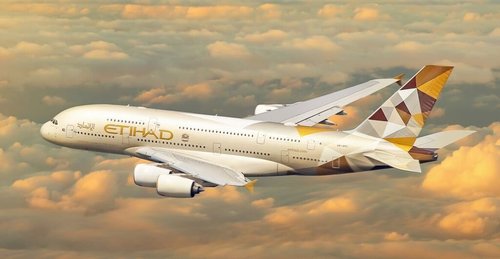

Etihad Airways posted a near 50 per cent rise in net profit to $698 million for 2025, as expanded capacity and firm travel demand across key markets pushed passenger numbers higher and lifted seat occupancy.
The Abu Dhabi carrier said its performance reflected stronger yields, disciplined cost management and a broader network, with chief executive Antonoaldo Neves pointing to sustained investment in product upgrades and customer satisfaction. “We’ve been investing a lot in our product, in customer satisfaction. We’ve been growing a lot, adding capacity,” he said, describing the result as a combination of efforts across operations and commercial strategy.
Passenger traffic rose 21 per cent to 22.4 million over the year, supported by network expansion and the addition of 29 aircraft. The fleet reached 127 jets, with deliveries from Boeing and Airbus and the return to service of the Airbus A380 contributing to the increase in available seats. The higher capacity helped drive an improvement in load factor, a key measure of how effectively airlines fill their aircraft.
The figures underscore the recovery trajectory of Gulf carriers as long-haul travel demand remains robust, particularly on routes linking Europe, Asia and the Middle East. Abu Dhabi’s aviation strategy has focused on strengthening connectivity through its hub, while capitalising on strong premium demand and growing transit traffic.
Etihad has undergone a significant restructuring over the past decade. After reporting heavy losses earlier in the 2010s linked to equity investments in other airlines and rapid expansion, the carrier embarked on a multi-year turnaround programme aimed at simplifying operations, cutting costs and concentrating on core routes. Under Neves, who took over in 2022, the airline has pursued measured growth while restoring profitability.
Capacity expansion in 2025 included new routes to Europe and Asia as well as increased frequencies on established services. The reintroduction of the A380 on selected high-demand routes allowed the airline to deploy higher-density aircraft on trunk sectors, improving unit economics where demand warranted larger capacity. At the same time, more fuel-efficient narrow-body and wide-body jets from Boeing and Airbus have gradually modernised the fleet.
The airline industry has benefited from sustained leisure travel and a rebound in corporate bookings, although executives across the sector have cautioned about potential headwinds including higher fuel prices, supply chain constraints and geopolitical tensions. For Etihad, maintaining operational reliability amid rapid fleet growth remains a priority, particularly as aircraft delivery schedules from major manufacturers have faced delays across the industry.
Neves has emphasised service differentiation as a competitive advantage in a region dominated by major global connectors. Investments in cabin refurbishments, premium products and digital platforms have been part of the strategy to enhance yield and strengthen brand positioning. Industry analysts note that Gulf carriers continue to leverage geographic location and modern fleets to capture transit traffic between East and West.
Abu Dhabi’s broader economic diversification plans also play a role in supporting aviation growth. Tourism initiatives, cultural attractions and business events have aimed to draw inbound travellers, reinforcing demand beyond connecting passengers. The airline’s performance aligns with the emirate’s objective of positioning itself as a global aviation and tourism hub.
Etihad’s improved load factor indicates stronger utilisation of available seats, reflecting both demand strength and disciplined capacity management. Airlines typically measure profitability not only by revenue growth but by how effectively they balance seat supply with passenger demand, while managing fuel, labour and financing costs.
The expansion to 127 aircraft marks a significant milestone compared with the leaner fleet operated during the restructuring phase earlier in the decade. Deliveries from Boeing and Airbus included next-generation aircraft designed to improve fuel efficiency and reduce operating costs per seat. The A380’s return, after being grounded during the pandemic period, signals confidence in sustained high-volume demand on selected routes.
Market conditions in 2025 have remained broadly supportive for carriers based in the Gulf, with international travel volumes approaching or surpassing pre-pandemic levels in many regions. However, industry observers caution that growth strategies must be calibrated carefully given global economic uncertainty and potential shifts in travel patterns.
The article Etihad profit climbs sharply on capacity surge appeared first on Arabian Post.
What's Your Reaction?