




























Dubai: How Yes Theory built a highly successful brand centred on kindness
Yes Theory, a YouTube channel and digital media brand, was built on the simple idea of seeking discomfort and saying yes to life. What started as a personal experiment between strangers has since grown into one of the most recognisable communities on the platform, centred on kindness, curiosity, and human connection. The YouTube channel has garnered over 9.8 million subscribers since its inception in 2015. One of the founders, Thomas Brag, said that what allowed the channel to be so successful is thanks to the deeply personal nature of its beginnings. “We were just strangers. He was crashing on my couch, literally,” Brag said during a panel session on the final day of the 1 Billion Followers Summit, taking place in Jumeirah Emirates Towers. During the time they met, the founders began to realise the power of saying yes, embracing fear, and approaching life with openness and compassion. Stay up to date with the latest news. Follow KT on WhatsApp Channels.Brag explained that building Yes Theory required balancing creativity with the realities of running a business. Like many creators, the team had to learn how to monetise their work, collaborate with brands, and manage a growing company, all while protecting the creative spirit that drew audiences in the first place. “For us, it’s about embracing the startup founder just to empower the artist,” he said, adding that longevity on YouTube requires mastering both. While the platform allows for limitless creative expression, it is also highly competitive and constantly evolving. Ammar Kandil, another of the media brand’s founders, added that had it not been for their other brand, Seek Discomfort, they would not have been sustained financially. Seek Discomfort is both Yes Theory’s motto and online clothing brand, which according to Particl, has around $552,000 (Dh2 million) in sales revenue since May 2024. “Ultimately, having revenue coming from Seek Discomfort allowed us to invest in projects that I don't know if we would have been able to do if we were just relying on brand deals or AdSense,” he said. AdSense is the advertising network by Google which allows users to monetise their videos. Kandil explained that having a product connected directly to their values allowed them to deepen their relationship with their audience. He referenced the idea that an artist only needs a thousand true fans to make a sustainable living, as long as those supporters genuinely believe in the work being created. “Because it was personal, it created a lot of depth with the audience and the community we were building,” he said. For Kandil, creativity is strongest when it comes from an honest place, guided by personal values and self-reflection.He added that having multiple founders gave Yes Theory the freedom to grow without burning out, allowing each member to step back when needed while others carried the creative momentum forward.Dh367,300 cash prize: Matt Green wins Educator Award at 1 Billion Followers Summit1 Billion Followers Summit: Lara Trump says social media should not replace rule of lawLook: Sheikh Mohammed visits 1 Billion Followers Summit, welcomes content creators
Yes Theory, a YouTube channel and digital media brand, was built on the simple idea of seeking discomfort and saying yes to life. What started as a personal experiment between strangers has since grown into one of the most recognisable communities on the platform, centred on kindness, curiosity, and human connection.
The YouTube channel has garnered over 9.8 million subscribers since its inception in 2015. One of the founders, Thomas Brag, said that what allowed the channel to be so successful is thanks to the deeply personal nature of its beginnings.
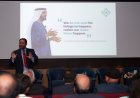
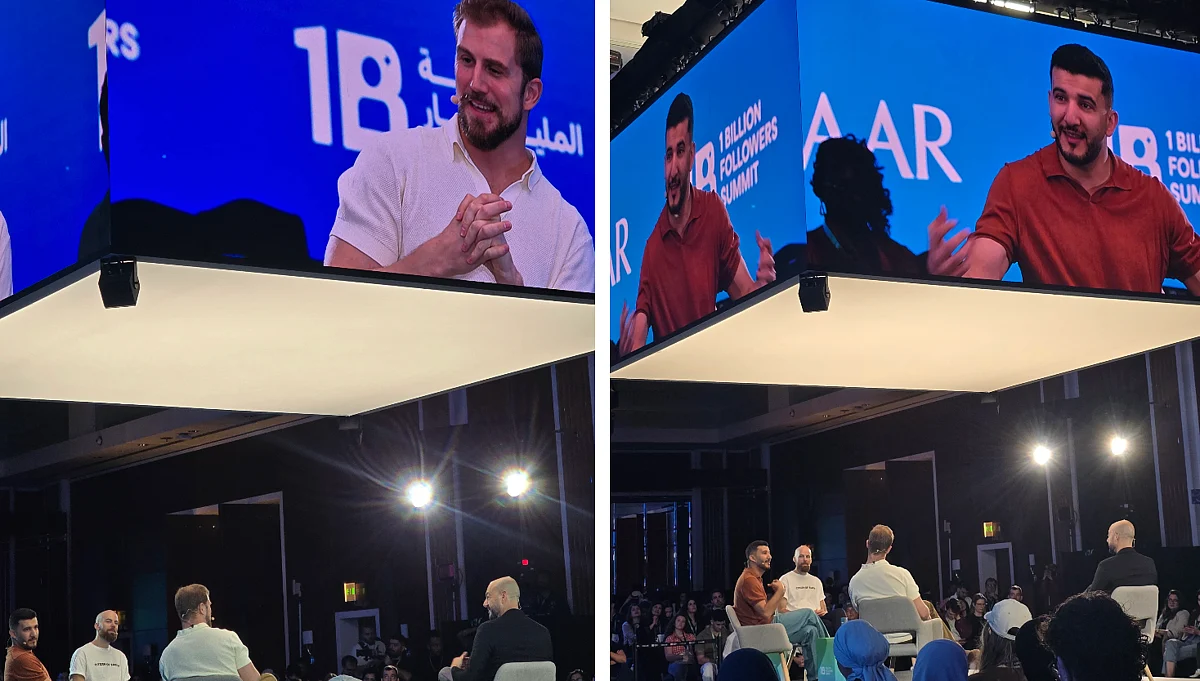
“We were just strangers. He was crashing on my couch, literally,” Brag said during a panel session on the final day of the 1 Billion Followers Summit, taking place in Jumeirah Emirates Towers. During the time they met, the founders began to realise the power of saying yes, embracing fear, and approaching life with openness and compassion.
Stay up to date with the latest news. Follow KT on WhatsApp Channels.
Brag explained that building Yes Theory required balancing creativity with the realities of running a business. Like many creators, the team had to learn how to monetise their work, collaborate with brands, and manage a growing company, all while protecting the creative spirit that drew audiences in the first place.
“For us, it’s about embracing the startup founder just to empower the artist,” he said, adding that longevity on YouTube requires mastering both. While the platform allows for limitless creative expression, it is also highly competitive and constantly evolving.
Ammar Kandil, another of the media brand’s founders, added that had it not been for their other brand, Seek Discomfort, they would not have been sustained financially. Seek Discomfort is both Yes Theory’s motto and online clothing brand, which according to Particl, has around $552,000 (Dh2 million) in sales revenue since May 2024.
“Ultimately, having revenue coming from Seek Discomfort allowed us to invest in projects that I don't know if we would have been able to do if we were just relying on brand deals or AdSense,” he said. AdSense is the advertising network by Google which allows users to monetise their videos.
Kandil explained that having a product connected directly to their values allowed them to deepen their relationship with their audience. He referenced the idea that an artist only needs a thousand true fans to make a sustainable living, as long as those supporters genuinely believe in the work being created.
“Because it was personal, it created a lot of depth with the audience and the community we were building,” he said. For Kandil, creativity is strongest when it comes from an honest place, guided by personal values and self-reflection.
He added that having multiple founders gave Yes Theory the freedom to grow without burning out, allowing each member to step back when needed while others carried the creative momentum forward.
What's Your Reaction?