






























Bitcoin retreats as volatility clouds post-election rally
Bitcoin has surrendered all the gains it notched after Donald Trump’s return to the White House, sliding amid thin liquidity and shifting expectations over US monetary policy, a move that has unsettled broader digital asset markets and revived questions about the sector’s resilience in a tightening financial environment. The world’s largest cryptocurrency fell below $61,000 during the week, a level last seen before Trump’s election victory, before […] The article Bitcoin retreats as volatility clouds post-election rally appeared first on Arabian Post.

Bitcoin has surrendered all the gains it notched after Donald Trump’s return to the White House, sliding amid thin liquidity and shifting expectations over US monetary policy, a move that has unsettled broader digital asset markets and revived questions about the sector’s resilience in a tightening financial environment.
The world’s largest cryptocurrency fell below $61,000 during the week, a level last seen before Trump’s election victory, before staging a partial rebound. The sell-off has unfolded alongside declines across other major tokens, reflecting investor unease over elevated technology valuations, uncertainty around the trajectory of US interest rates and a reassessment of how supportive the new administration’s policies may ultimately be for crypto markets.
Analysts tracking market structure say the downturn has been driven less by panic selling and more by a gradual contraction in liquidity that has been building for months. Measures of bitcoin’s market depth, which capture how much of the token can be traded near the prevailing price without sharp moves, have continued to deteriorate since an autumn crash wiped out leveraged positions and drained capital from trading venues. With fewer bids and offers clustered around spot prices, even modest trades are now capable of triggering outsized swings.
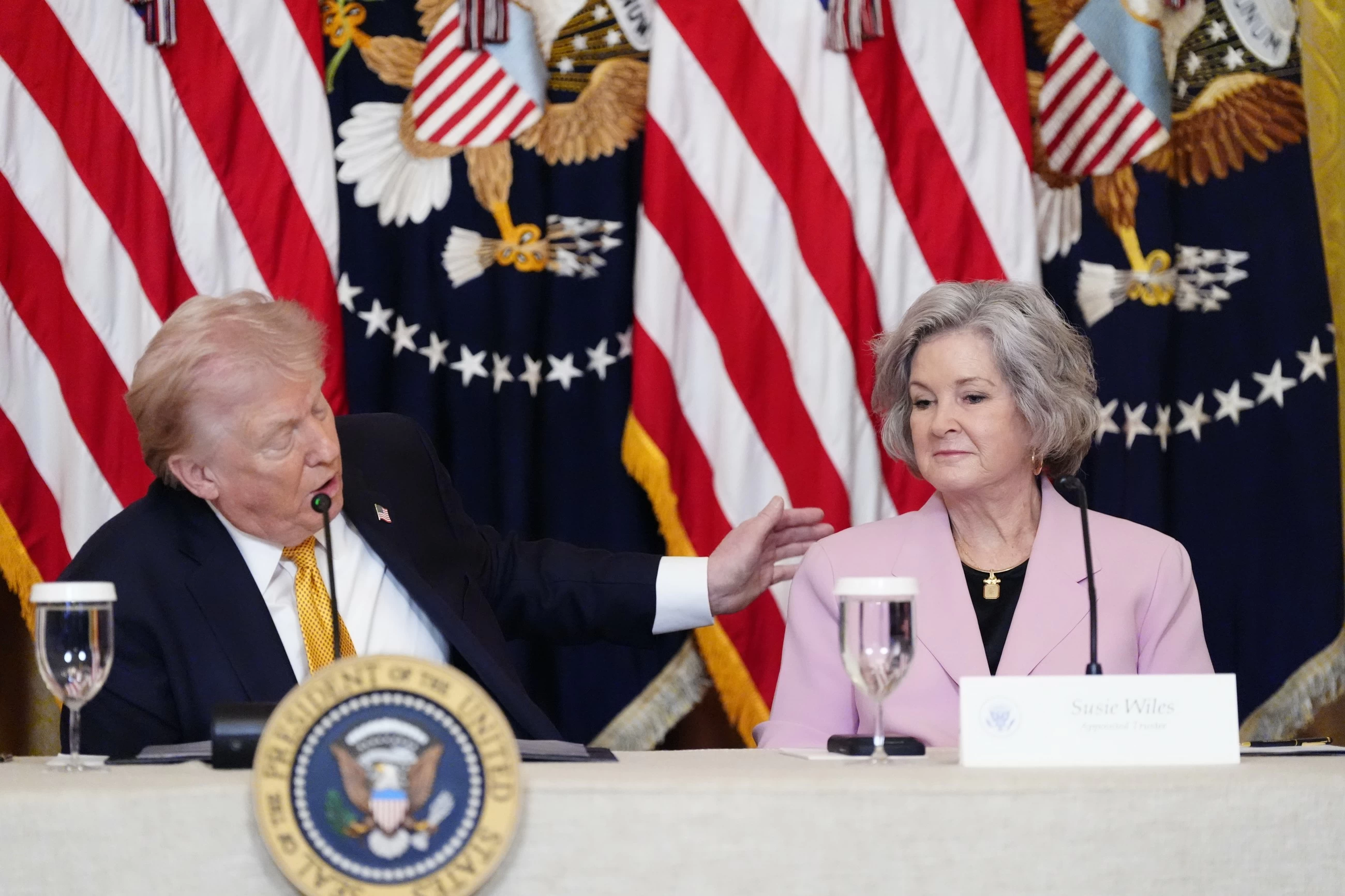
That fragility was laid bare after Trump nominated Kevin Warsh to chair the Federal Reserve, a move that markets interpreted as increasing the likelihood of a reduction in the central bank’s balance sheet. Expectations of tighter liquidity conditions prompted a broad sell-off across risk assets, hitting both cryptocurrencies and precious metals. Digital tokens fell sharply before rebounding, underscoring how sensitive the asset class has become to shifts in macroeconomic sentiment.
The turbulence has revived memories of October’s liquidation wave, when a sudden shock linked to trade policy announcements sparked what was widely described as the largest single liquidation event in crypto history. That episode burst a leverage bubble and left liquidity slow to recover, a dynamic that continues to shape price action months later.
Despite the gloom, some market participants argue that signs of stabilisation are emerging beneath the surface. Data suggest that selling by so-called whales, holders of very large bitcoin positions, has begun to ease, potentially reducing downward pressure. Asset managers focused on digital markets note that long-term investors appear more willing to accumulate during periods of weakness, viewing sharp pullbacks as opportunities rather than signals to exit entirely.
Others remain cautious, pointing to the absence of strong catalysts that could sustain a durable rebound. Research desks at major banks say volatility is likely to persist as long as liquidity remains constrained and correlations with equities stay elevated. Bitcoin has increasingly traded in tandem with technology stocks during bouts of market stress, leaving it exposed to shifts in sentiment around artificial intelligence spending, corporate earnings and broader risk appetite.
Those correlations were evident as global equity indices steadied later in the week, drawing buyers back into US technology shares after several days of heavy losses. Bitcoin rose more than 10% from its lows, briefly reclaiming levels above $70,000, but the bounce did little to dispel concerns about the market’s underlying health.
The political backdrop has added another layer of complexity. Bitcoin surged after Trump’s election in November 2024 on expectations that his administration would dismantle regulatory barriers and usher in a more accommodating framework for digital assets. Campaign pledges included bold ideas such as the creation of a national bitcoin reserve, fuelling speculation that government demand could provide a powerful tailwind.
Since taking office, the administration has moved to reshape oversight of the sector, installing new leadership at the Securities and Exchange Commission and pushing through legislation to regulate dollar-pegged stablecoins. Trump has also maintained a visible personal footprint in the space through ventures associated with his family, reinforcing perceptions of a White House sympathetic to crypto interests.
Yet the concrete impact of those policies on market prices has been more muted than some investors anticipated. An executive order established a bitcoin reserve using assets already seized by the US government, but authorities have not embarked on large-scale purchases that might materially alter supply and demand dynamics. For traders who had positioned for aggressive accumulation by the state, the absence of such moves has been a disappointment.
Arabian Post – Crypto News Network
The article Bitcoin retreats as volatility clouds post-election rally appeared first on Arabian Post.
What's Your Reaction?