
































Banks turn platforms to fuel fintech scale
Bengaluru | Banking-as-a-Platform is moving from concept to commercial backbone across the country’s financial system, as lenders open their digital rails to fintech partners and reposition themselves as infrastructure providers rather than closed institutions. The model allows banks to expose core capabilities—accounts, payments, lending, compliance and data—through secure application programming interfaces, enabling third parties to build, distribute and monetise financial products at speed. This shift has gathered momentum as regulatory digital public infrastructure, rising smartphone penetration and instant payments have converged. Unified Payments Interface volumes continue to expand across peer-to-peer and merchant transactions, while account aggregation frameworks allow consent-based data sharing that reduces onboarding friction and credit assessment time. Against this backdrop, platform-led banking is emerging as a scalable engine for fintech growth, changing how products are designed, priced and distributed. Large lenders and new-age banks have invested heavily in API layers that sit atop legacy cores, separating product logic from distribution. This architectural change allows fintechs to “plug” into regulated balance sheets without becoming banks themselves, “play” by composing features such as KYC, payments or credit scoring, and “scale” nationally without building costly compliance stacks. For banks, the appeal lies in fee income, wider distribution and better utilisation of capital through co-lending and embedded finance. Executives across the sector say the platform approach has shortened product launch cycles from months to weeks. Consumer lending, merchant credit, wealth distribution and cross-border remittances have been early beneficiaries, with embedded finance extending to ride-hailing, e-commerce, logistics and software-as-a-service platforms. Small enterprises, long constrained by paperwork and collateral requirements, are gaining access to working capital through cash-flow based underwriting that draws on real-time transaction data. The commercial logic is reinforced by economics. API monetisation—charging per call, per transaction or via revenue sharing—creates annuity-like income streams for banks. Fintechs gain variable cost structures that align expenses with growth. Analysts note that platforms with high uptime, predictable latency and robust documentation are attracting repeat developers, creating network effects similar to cloud marketplaces. Regulatory guardrails remain central to the model’s credibility. Data localisation rules, customer consent standards and outsourcing guidelines shape how banks expose systems and how partners handle information. Supervisors have emphasised accountability, making licensed entities responsible for customer outcomes even when services are delivered through partners. This has pushed banks to strengthen vendor risk management, audit trails and incident response, while fintechs have had to mature governance and security practices. Competition among banks has intensified around developer experience. Dedicated sandbox environments, self-serve onboarding and standardised APIs are becoming differentiators. Some lenders have carved out platform subsidiaries to attract talent and ring-fence technology risk, while others have partnered with specialist middleware firms to accelerate rollout. Public sector banks, once seen as slow movers, are also modernising stacks to participate in ecosystem distribution rather than cede ground. The platformisation trend is reshaping balance-sheet strategies. Co-lending arrangements allow banks and non-bank financiers to share risk, with fintechs originating and servicing loans using data-driven models. In payments, banks are focusing on high-volume, low-cost rails while fintechs compete on user experience and value-added services. Wealth platforms are distributing mutual funds, bonds and insurance through APIs that streamline compliance and reporting. Challenges persist. Legacy core systems can constrain throughput, requiring phased migrations that test execution discipline. Cybersecurity threats rise with greater connectivity, demanding continuous monitoring and zero-trust architectures. Pricing APIs too aggressively risks discouraging innovation, while underpricing leaves money on the table. There is also the question of differentiation: as APIs commoditise, banks must decide where to invest for unique value, whether in data analytics, sector-specific products or risk pricing. Talent remains a pressure point. Demand for engineers fluent in financial protocols, security and scalable systems outstrips supply, pushing up costs. Cultural change inside banks—shifting from project delivery to product thinking—has proven as important as technology. Successful platforms tend to empower cross-functional teams, publish clear roadmaps and treat external developers as customers. The article Banks turn platforms to fuel fintec
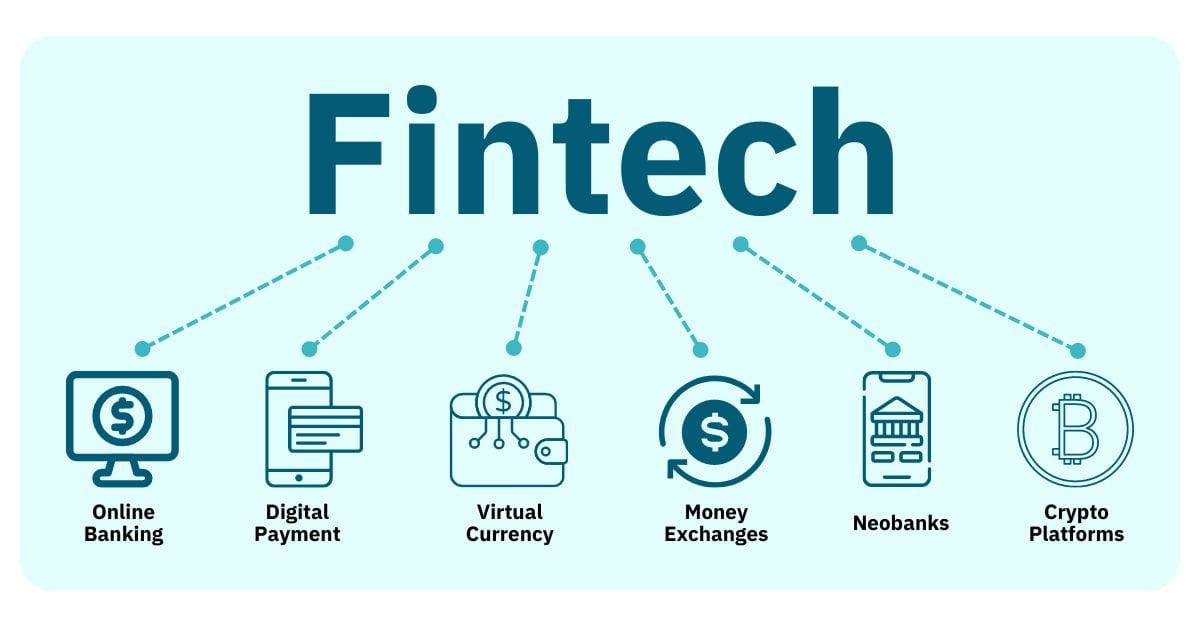
 Bengaluru | Banking-as-a-Platform is moving from concept to commercial backbone across the country’s financial system, as lenders open their digital rails to fintech partners and reposition themselves as infrastructure providers rather than closed institutions. The model allows banks to expose core capabilities—accounts, payments, lending, compliance and data—through secure application programming interfaces, enabling third parties to build, distribute and monetise financial products at speed.
This shift has gathered momentum as regulatory digital public infrastructure, rising smartphone penetration and instant payments have converged. Unified Payments Interface volumes continue to expand across peer-to-peer and merchant transactions, while account aggregation frameworks allow consent-based data sharing that reduces onboarding friction and credit assessment time. Against this backdrop, platform-led banking is emerging as a scalable engine for fintech growth, changing how products are designed, priced and distributed.
Large lenders and new-age banks have invested heavily in API layers that sit atop legacy cores, separating product logic from distribution. This architectural change allows fintechs to “plug” into regulated balance sheets without becoming banks themselves, “play” by composing features such as KYC, payments or credit scoring, and “scale” nationally without building costly compliance stacks. For banks, the appeal lies in fee income, wider distribution and better utilisation of capital through co-lending and embedded finance.
Executives across the sector say the platform approach has shortened product launch cycles from months to weeks. Consumer lending, merchant credit, wealth distribution and cross-border remittances have been early beneficiaries, with embedded finance extending to ride-hailing, e-commerce, logistics and software-as-a-service platforms. Small enterprises, long constrained by paperwork and collateral requirements, are gaining access to working capital through cash-flow based underwriting that draws on real-time transaction data.
The commercial logic is reinforced by economics. API monetisation—charging per call, per transaction or via revenue sharing—creates annuity-like income streams for banks. Fintechs gain variable cost structures that align expenses with growth. Analysts note that platforms with high uptime, predictable latency and robust documentation are attracting repeat developers, creating network effects similar to cloud marketplaces.
Regulatory guardrails remain central to the model’s credibility. Data localisation rules, customer consent standards and outsourcing guidelines shape how banks expose systems and how partners handle information. Supervisors have emphasised accountability, making licensed entities responsible for customer outcomes even when services are delivered through partners. This has pushed banks to strengthen vendor risk management, audit trails and incident response, while fintechs have had to mature governance and security practices.
Competition among banks has intensified around developer experience. Dedicated sandbox environments, self-serve onboarding and standardised APIs are becoming differentiators. Some lenders have carved out platform subsidiaries to attract talent and ring-fence technology risk, while others have partnered with specialist middleware firms to accelerate rollout. Public sector banks, once seen as slow movers, are also modernising stacks to participate in ecosystem distribution rather than cede ground.
The platformisation trend is reshaping balance-sheet strategies. Co-lending arrangements allow banks and non-bank financiers to share risk, with fintechs originating and servicing loans using data-driven models. In payments, banks are focusing on high-volume, low-cost rails while fintechs compete on user experience and value-added services. Wealth platforms are distributing mutual funds, bonds and insurance through APIs that streamline compliance and reporting.
Challenges persist. Legacy core systems can constrain throughput, requiring phased migrations that test execution discipline. Cybersecurity threats rise with greater connectivity, demanding continuous monitoring and zero-trust architectures. Pricing APIs too aggressively risks discouraging innovation, while underpricing leaves money on the table. There is also the question of differentiation: as APIs commoditise, banks must decide where to invest for unique value, whether in data analytics, sector-specific products or risk pricing.
Talent remains a pressure point. Demand for engineers fluent in financial protocols, security and scalable systems outstrips supply, pushing up costs. Cultural change inside banks—shifting from project delivery to product thinking—has proven as important as technology. Successful platforms tend to empower cross-functional teams, publish clear roadmaps and treat external developers as customers.
The article Banks turn platforms to fuel fintech scale appeared first on Arabian Post.
What's Your Reaction?