




























Waabi plots broader autonomy push after funding
Waabi Innovation has secured a sizeable capital package to accelerate commercial deployment of its autonomous driving software, widening ambitions beyond long-haul freight into passenger mobility as competition intensifies across the self-driving sector. The Toronto-based company said the financing totals up to $1 billion in committed capital, combining equity, strategic investments and long-term commercial backing, giving it the balance-sheet strength to scale its technology across multiple vehicle platforms. […] The article Waabi plots broader autonomy push after funding appeared first on Arabian Post.

The Toronto-based company said the financing totals up to $1 billion in committed capital, combining equity, strategic investments and long-term commercial backing, giving it the balance-sheet strength to scale its technology across multiple vehicle platforms. The expansion plan includes pilots that apply its core autonomy stack to robotaxi use cases, alongside its primary focus on self-driving trucks.
Founded by Raquel Urtasun, a former chief scientist at Uber Advanced Technologies Group, Waabi has built its reputation on an artificial-intelligence-first approach to autonomy. The company’s “Waabi Driver” system relies on generative AI models trained in simulation, rather than extensive real-world mileage alone, a strategy it argues shortens development cycles and improves safety validation.
Waabi’s funding-fuelled push into wider autonomy comes as freight operators and urban mobility firms reassess how autonomous systems can be deployed profitably. Long-haul trucking has emerged as an early commercial target because of predictable highway routes and acute driver shortages, while robotaxis remain a longer-term bet with higher regulatory and operational hurdles.
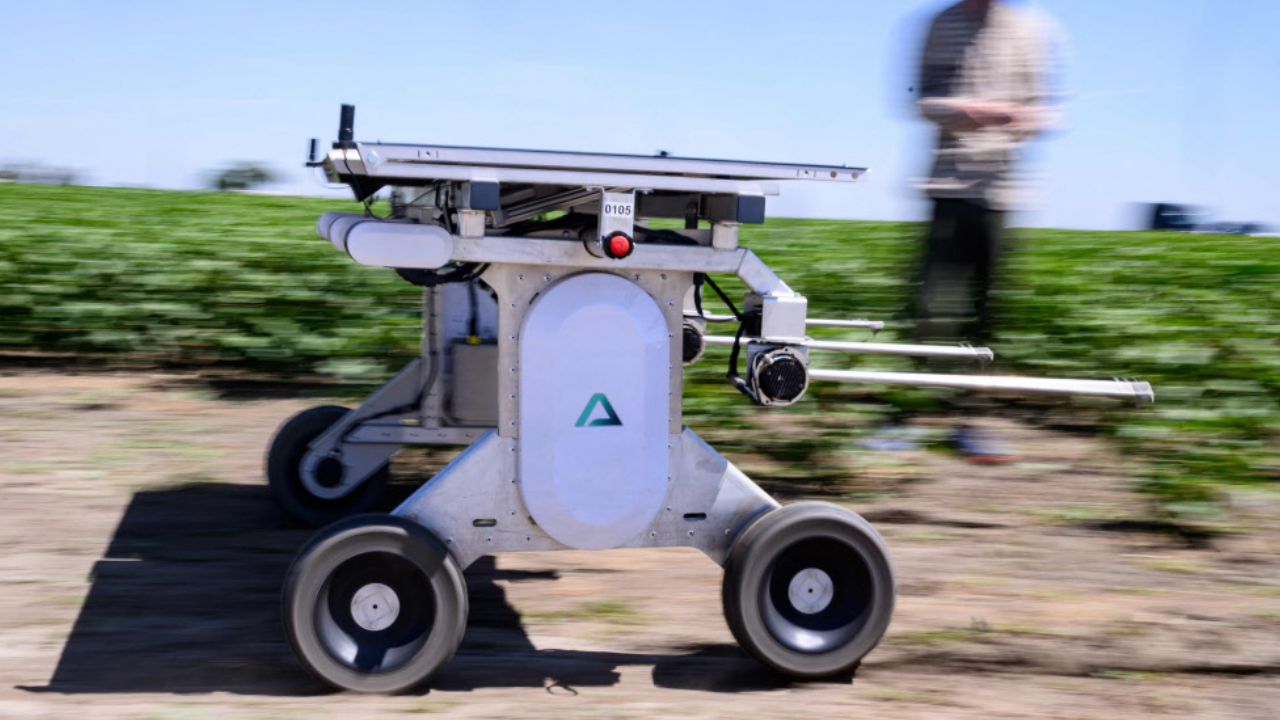
Waabi has already signed partnerships with truck manufacturers and logistics groups to integrate its software into Class 8 vehicles in North America. These collaborations are expected to move from supervised operations to driver-out deployments on specific freight corridors once regulatory approvals are in place. The new funding allows Waabi to increase engineering hires, expand simulation capacity and deepen safety validation programmes required by fleet customers.
The company’s move to explore robotaxi applications reflects a broader industry trend of reusing core autonomy stacks across multiple vehicle types. By adapting perception, planning and control systems developed for trucks, Waabi aims to test whether its simulation-heavy approach can reduce the cost and time needed to certify autonomous passenger vehicles. Executives caution that any robotaxi rollout would begin with limited pilots in controlled environments rather than full-scale urban launches.
Investors backing the expansion include existing technology-focused funds and strategic partners from the mobility and semiconductor sectors, according to people familiar with the financing. The mix of equity and long-term commercial commitments is designed to provide stability in a sector where capital requirements remain high and timelines uncertain.
The funding comes amid renewed scrutiny of autonomous driving claims following setbacks at several high-profile robotaxi operators. Safety regulators in North America have tightened reporting requirements, while fleet customers are demanding clearer evidence of reliability before committing to large deployments. Waabi has emphasised that its simulation framework enables billions of virtual driving scenarios, allowing rare but critical edge cases to be tested repeatedly.
Industry analysts say this approach could appeal to commercial fleets under pressure to cut costs and emissions. Autonomous trucks promise lower operating expenses through reduced fuel use, optimised routing and higher vehicle utilisation. For robotaxis, the economic case is less settled, but proponents argue that advances in AI and hardware efficiency could narrow the gap.
Competition in the autonomous trucking space is intensifying, with rivals pursuing a range of strategies from sensor-heavy systems to tightly geofenced routes. Waabi’s bet is that a generalisable AI model, validated extensively in simulation and then transferred to the real world, can scale more efficiently across regions and vehicle classes.
Regulatory engagement will be central to the company’s next phase. Transport authorities require detailed safety cases before approving driverless operations, and public acceptance remains fragile after widely reported incidents involving autonomous vehicles. Waabi says it is working closely with regulators and fleet partners to demonstrate transparency in testing and incident reporting.
The article Waabi plots broader autonomy push after funding appeared first on Arabian Post.
What's Your Reaction?