





























So much work, so little time: UAE tailors overstretched weeks before Eid Al Fitr
'No more orders’ is a sign you may have already spotted outside many tailoring shops across the UAE. And the reason is simple — Eid Al Fitr work has started early this year, even before Ramadan begins.With nearly 50 days still left for Eid, many shoppers believe there is enough time to stitch festive outfits. But for tailors, the calendar looks very different. Women’s Eid dresses take time, patience, and long hours of work, which is why many shops have already stopped accepting new orders.Naseem Ahmed, owner of Al Musabba Fine Tailoring in Rolla, Sharjah, said most of his regular customers understand this and place their orders well in advance. “These outfits are not simple. From embroidery to fine detailing, everything takes time. Some customers want fabric manipulation, heavy embroidery and different layers of cloth in one dress,” he said.Stay up to date with the latest news. Follow KT on WhatsApp Channels.He mentioned that even a basic Eid outfit with layers can take almost a full day to stitch. “More detailed dresses can take three days or more. Hand embroidery alone can take over five days. Some designs also need stonework, and for special patterns, we first prepare a mould before working on the fabric.”In Dubai’s Naif area, Nawaz Khan from Diplomacy Tailors said many people still underestimate how much work goes into women’s clothing. “Pattern making itself takes a lot of time. Then there is cutting, fitting, embroidery and finishing. This is why we cannot take last-minute Eid orders,” said Khan.He added that tailors prefer to close bookings early rather than rush the work. “If we rush, the quality suffers. It is better to say no early than disappoint customers later.”Khan also said that they planned ahead this year to manage the Eid rush. Knowing how long women’s outfits take, the team informed regular customers well in advance so there would be no last-minute pressure.“We sent out a message to all our regular clients to place their Eid orders before January 15. “Most of them understand the work involved and prefer to book early so there is enough time to do proper fitting, embroidery and finishing.”The early rush is also visible in abaya shops. Syed Ali, a master cutter at the Abaya Mall in Mirdif, said Eid abayas are now being ordered well before Ramadan. “For daily wear, abayas are simple. But for Eid, women prefer designed abayas with embroidery, layers and special details.”He explained that many Eid abayas involve handwork, stonework and layered fabrics, which cannot be done quickly. “That is why many abaya shops also stop taking Eid orders early,” he said.Ali also said the early demand for Eid abayas meant going a step further for long-time customers. Instead of waiting for them to visit the shop, his team reached out personally to collect orders.“We understand the busy schedule of our regular clients and we visited their homes to take their Eid orders. Designed abayas need time, especially when there is embroidery and layered fabric. Our clients trust us, and they want their outfits ready without any rush.”Tailors also point to other reasons for closing orders early. Skilled workers are limited, working hours are reduced during Ramadan, and the demand during the festive season is very high. With so much work and so little time, many shops choose to close their order books early.Eid Al Adha in UAE: Final preparations underway across neighbourhoods'Eid more about looks now': Some UAE residents spend up to Dh15,000 amid rising social pressureUAE: Likely dates for Ramadan, Eid Al Fitr, Eid Al Adha revealed
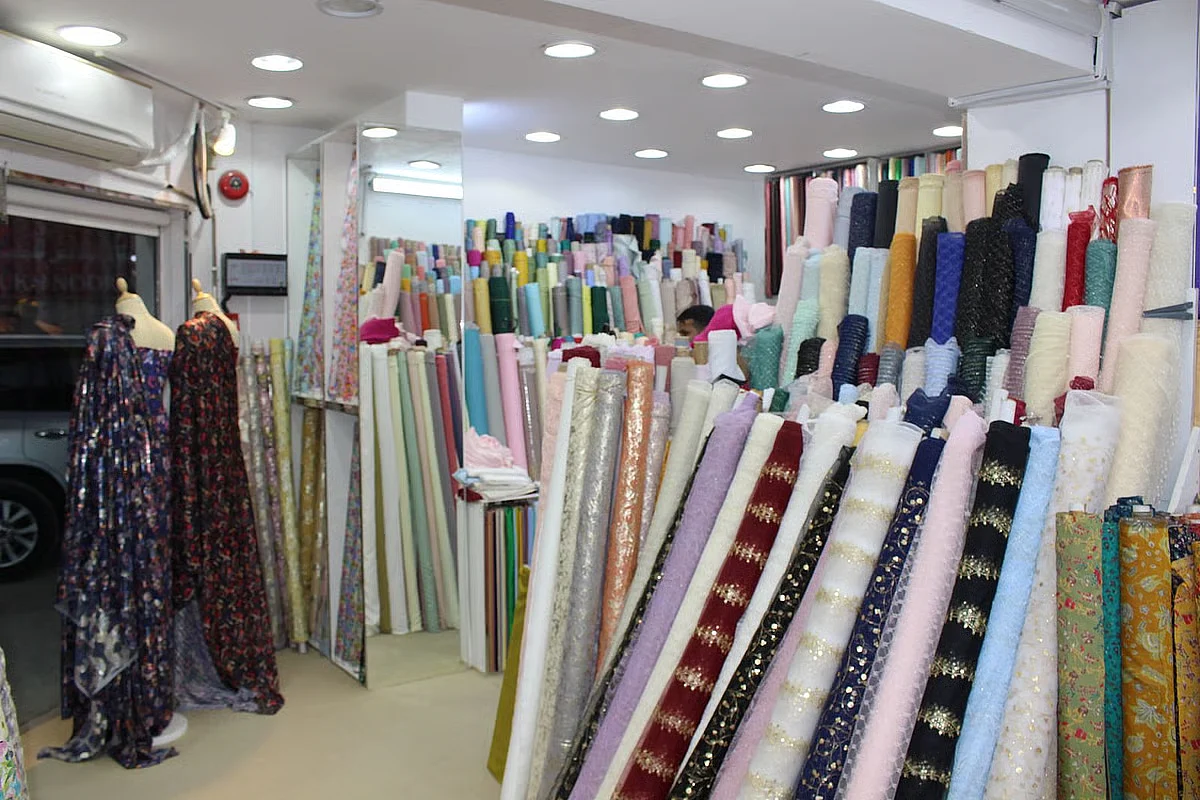
'No more orders’ is a sign you may have already spotted outside many tailoring shops across the UAE. And the reason is simple — Eid Al Fitr work has started early this year, even before Ramadan begins.
With nearly 50 days still left for Eid, many shoppers believe there is enough time to stitch festive outfits. But for tailors, the calendar looks very different. Women’s Eid dresses take time, patience, and long hours of work, which is why many shops have already stopped accepting new orders.
Naseem Ahmed, owner of Al Musabba Fine Tailoring in Rolla, Sharjah, said most of his regular customers understand this and place their orders well in advance. “These outfits are not simple. From embroidery to fine detailing, everything takes time. Some customers want fabric manipulation, heavy embroidery and different layers of cloth in one dress,” he said.
Stay up to date with the latest news. Follow KT on WhatsApp Channels.
He mentioned that even a basic Eid outfit with layers can take almost a full day to stitch. “More detailed dresses can take three days or more. Hand embroidery alone can take over five days. Some designs also need stonework, and for special patterns, we first prepare a mould before working on the fabric.”
In Dubai’s Naif area, Nawaz Khan from Diplomacy Tailors said many people still underestimate how much work goes into women’s clothing. “Pattern making itself takes a lot of time. Then there is cutting, fitting, embroidery and finishing. This is why we cannot take last-minute Eid orders,” said Khan.
He added that tailors prefer to close bookings early rather than rush the work. “If we rush, the quality suffers. It is better to say no early than disappoint customers later.”
Khan also said that they planned ahead this year to manage the Eid rush. Knowing how long women’s outfits take, the team informed regular customers well in advance so there would be no last-minute pressure.
“We sent out a message to all our regular clients to place their Eid orders before January 15. “Most of them understand the work involved and prefer to book early so there is enough time to do proper fitting, embroidery and finishing.”
The early rush is also visible in abaya shops. Syed Ali, a master cutter at the Abaya Mall in Mirdif, said Eid abayas are now being ordered well before Ramadan. “For daily wear, abayas are simple. But for Eid, women prefer designed abayas with embroidery, layers and special details.”
He explained that many Eid abayas involve handwork, stonework and layered fabrics, which cannot be done quickly. “That is why many abaya shops also stop taking Eid orders early,” he said.
Ali also said the early demand for Eid abayas meant going a step further for long-time customers. Instead of waiting for them to visit the shop, his team reached out personally to collect orders.
“We understand the busy schedule of our regular clients and we visited their homes to take their Eid orders. Designed abayas need time, especially when there is embroidery and layered fabric. Our clients trust us, and they want their outfits ready without any rush.”
Tailors also point to other reasons for closing orders early. Skilled workers are limited, working hours are reduced during Ramadan, and the demand during the festive season is very high. With so much work and so little time, many shops choose to close their order books early.
What's Your Reaction?