





















'Markets are nervous': How geopolitical tensions feed food inflation risks
With more attacks on export infrastructure and disruptions to shipping routes, food prices are rising, and availability is shrinking, according to experts attending the Intercontinental Commodity Exchange summit held in Dubai on Thursday.Some of the speakers said that geopolitical tensions are impacting global supply chains, with the effect being felt sharply by countries like the UAE, which rely on imports. “Markets are extremely nervous,” said Thierry Beaupied, Vice President at Romania-based Trans-Oil Group. “Even when the world has enough grain or corn, bombings and disruptions in specific regions push prices higher because buyers fear a lack of supply.”Stay up to date with the latest news. Follow KT on WhatsApp Channels.He pointed to the Black Sea conflict, climate shocks, and damaged energy infrastructure in Ukraine as key drivers of volatility in grain and vegetable oil markets. “Some crops are not even harvested because there is no electricity, no fuel for machinery, and no safe transport to ports,” he said.According to Beaupied, sunflower oil—60 percent of which comes from the Black Sea—remains particularly exposed, keeping vegetable oil markets “tight and bullish” in the medium term.UAE consumersAccording to him, for the UAE, the challenge is not supply shortages but price stability.“The Middle East, and especially the UAE, is generally well supplied,” he said. “Vegetable oils mainly come from South America, but competition from large buyers like India and Iran keeps prices supported.”He explained that many vessels now discharge cargo in India before heading to the Arabian Gulf to manage freight costs, adding complexity to logistics. “At best, prices may stay stable. In the medium term, they are more likely to edge higher,” he said.Other panelists noted that Red Sea security risks are forcing exporters to rethink their trade routes. While Egypt’s grain imports remain largely unaffected due to reliance on the Black Sea and the Americas, exports of flour and processed wheat to neighbouring regions have slowed.“Security concerns have pushed us to invest in alternative logistics, including road networks and our own shipping fleets,” said Mahmoud Kalila, Managing Director of Elementra Commodities in Egypt.Financial innovation The summit also highlighted the growing role of financial technology in managing cross-border trade risk. Nabeel Ahmed, Managing Director of HexTrust, said the UAE’s position as a regional financial hub makes efficient payment systems critical.“When wealth moves, money has to move with it,” Ahmed said. “Using regulated digital solutions allows businesses to transfer value in seconds instead of weeks, which is crucial during periods of volatility.”As conflicts persist and climate risks rise, speakers agreed that food security will remain tightly linked to geopolitics, with UAE consumers increasingly exposed to global forces beyond the supermarket shelf.Intercontinental Commodity Exchange 2026 summit to convene global leaders in DubaiDoha strike, new EU tariff threat rattle oil marketUAE navigates global tariff storm with oil stability and fiscal strength
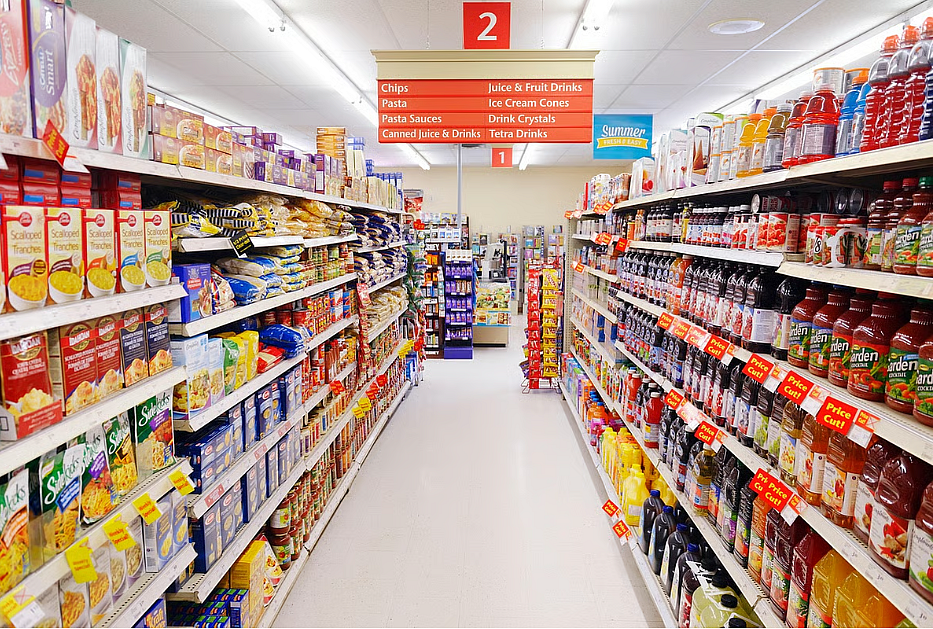
With more attacks on export infrastructure and disruptions to shipping routes, food prices are rising, and availability is shrinking, according to experts attending the Intercontinental Commodity Exchange summit held in Dubai on Thursday.
Some of the speakers said that geopolitical tensions are impacting global supply chains, with the effect being felt sharply by countries like the UAE, which rely on imports.
“Markets are extremely nervous,” said Thierry Beaupied, Vice President at Romania-based Trans-Oil Group. “Even when the world has enough grain or corn, bombings and disruptions in specific regions push prices higher because buyers fear a lack of supply.”
Stay up to date with the latest news. Follow KT on WhatsApp Channels.
He pointed to the Black Sea conflict, climate shocks, and damaged energy infrastructure in Ukraine as key drivers of volatility in grain and vegetable oil markets. “Some crops are not even harvested because there is no electricity, no fuel for machinery, and no safe transport to ports,” he said.
According to Beaupied, sunflower oil—60 percent of which comes from the Black Sea—remains particularly exposed, keeping vegetable oil markets “tight and bullish” in the medium term.
UAE consumers
According to him, for the UAE, the challenge is not supply shortages but price stability.
“The Middle East, and especially the UAE, is generally well supplied,” he said. “Vegetable oils mainly come from South America, but competition from large buyers like India and Iran keeps prices supported.”
He explained that many vessels now discharge cargo in India before heading to the Arabian Gulf to manage freight costs, adding complexity to logistics. “At best, prices may stay stable. In the medium term, they are more likely to edge higher,” he said.
Other panelists noted that Red Sea security risks are forcing exporters to rethink their trade routes. While Egypt’s grain imports remain largely unaffected due to reliance on the Black Sea and the Americas, exports of flour and processed wheat to neighbouring regions have slowed.
“Security concerns have pushed us to invest in alternative logistics, including road networks and our own shipping fleets,” said Mahmoud Kalila, Managing Director of Elementra Commodities in Egypt.
Financial innovation
The summit also highlighted the growing role of financial technology in managing cross-border trade risk. Nabeel Ahmed, Managing Director of HexTrust, said the UAE’s position as a regional financial hub makes efficient payment systems critical.
“When wealth moves, money has to move with it,” Ahmed said. “Using regulated digital solutions allows businesses to transfer value in seconds instead of weeks, which is crucial during periods of volatility.”
As conflicts persist and climate risks rise, speakers agreed that food security will remain tightly linked to geopolitics, with UAE consumers increasingly exposed to global forces beyond the supermarket shelf.
What's Your Reaction?