




















Abu Dhabi forms L’IMAD to unify sovereign assets
Arabian Post Staff -Dubai Abu Dhabi has approved the consolidation of Abu Dhabi Developmental Holding Group’s portfolio under a newly created sovereign investor, L’IMAD, a move designed to sharpen capital allocation and scale the emirate’s investment reach across strategic sectors. The decision was issued by the Supreme Council for Financial and Economic Affairs, the body that sets public policy on finance, investment, the economy, petroleum and natural […] The article Abu Dhabi forms L’IMAD to unify sovereign assets appeared first on Arabian Post.
Arabian Post Staff -Dubai
Abu Dhabi has approved the consolidation of Abu Dhabi Developmental Holding Group’s portfolio under a newly created sovereign investor, L’IMAD, a move designed to sharpen capital allocation and scale the emirate’s investment reach across strategic sectors. The decision was issued by the Supreme Council for Financial and Economic Affairs, the body that sets public policy on finance, investment, the economy, petroleum and natural resources, according to a statement released by the Abu Dhabi Media Office on Friday.
The resolution folds ADQ’s holdings into L’IMAD with the stated aim of creating a sovereign investment powerhouse with a diversified asset base. Officials said the new structure would bring together operational, developmental, industrial and financial capabilities under one umbrella, enabling tighter coordination among portfolio companies while preserving sectoral focus. The portfolio will include more than 25 investment companies and platforms and over 250 subsidiaries, underscoring the scale of the consolidation.
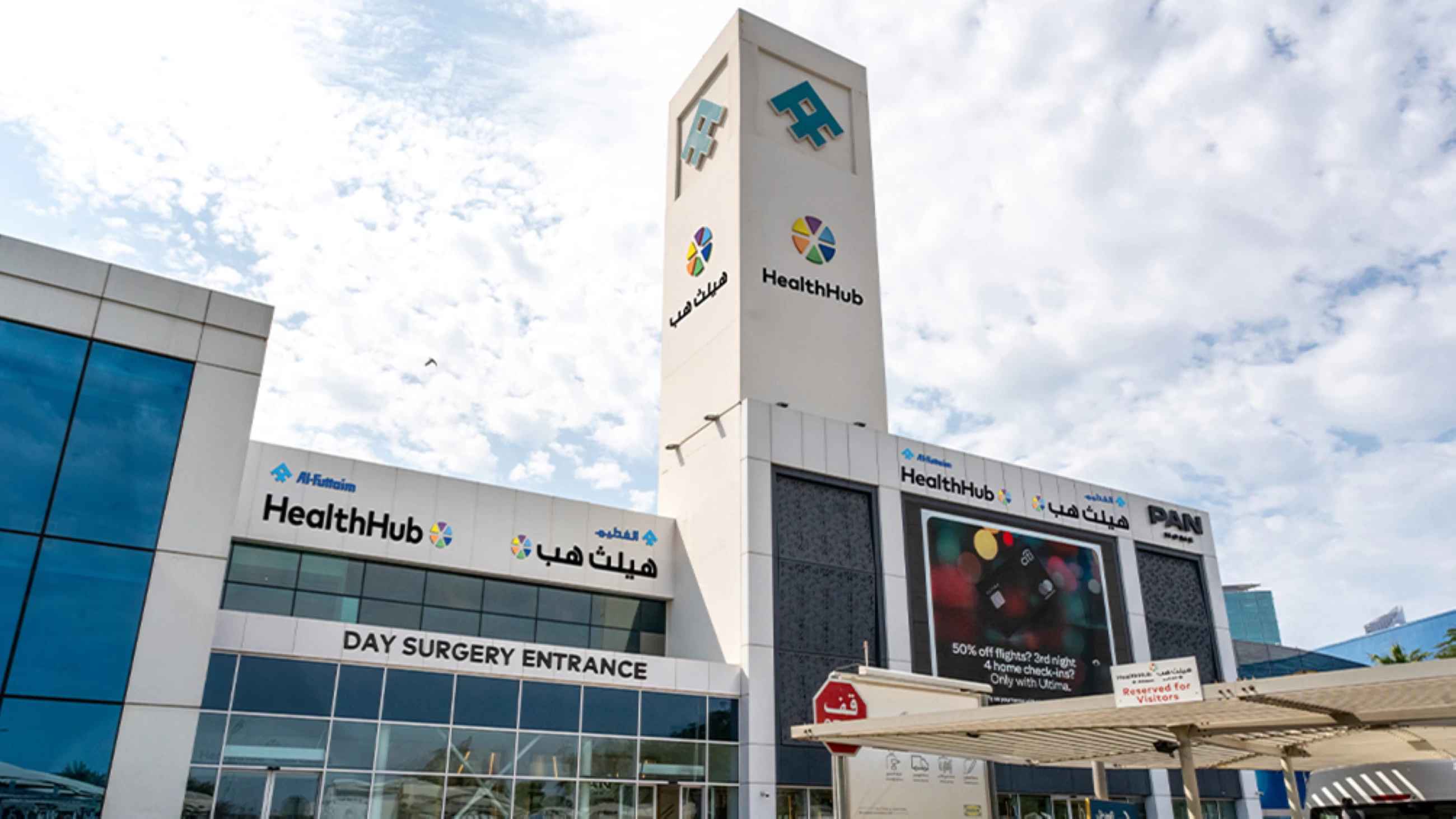
Key assets to be held within L’IMAD include TAQA in utilities and power, Modon Properties in real estate and urban development, Etihad Airways in aviation, PureHealth in healthcare, Etihad Rail in transport infrastructure, Wio Bank in digital finance, Abu Dhabi Ports in logistics and maritime trade, McLaren in high-performance engineering and motorsport, and Louis Dreyfus in agricultural commodities. The breadth of these holdings signals an ambition to balance cash-generating businesses with long-horizon developmental assets tied to industrialisation, trade and food security.
Policy makers have framed the move as an evolution of Abu Dhabi’s sovereign investment model rather than a departure from it. Over the past decade, the emirate has expanded beyond traditional hydrocarbon-linked investing towards platforms that anchor domestic growth while remaining globally competitive. By unifying ADQ’s assets within L’IMAD, authorities are seeking to simplify governance, enhance transparency and accelerate decision-making across a complex portfolio that spans regulated utilities, consumer-facing services and capital-intensive infrastructure.
People familiar with the plan say L’IMAD is expected to operate with a mandate that blends commercial discipline with strategic objectives, mirroring global trends among sovereign investors that combine financial returns with national development goals. Such funds have increasingly targeted sectors like clean energy, advanced manufacturing, logistics and digital finance, areas where scale and patient capital can shape markets. The inclusion of assets ranging from power generation to ports and aviation places L’IMAD at the centre of Abu Dhabi’s economic diversification drive.
The consolidation also reflects a broader effort to rationalise the emirate’s state-owned enterprise landscape. Overlapping mandates and fragmented ownership structures have been a recurring challenge in fast-growing economies. Centralising oversight is intended to reduce duplication, unlock synergies and improve access to global capital markets. Analysts note that a unified platform can strengthen credit profiles, streamline funding and support larger co-investments with international partners.
Within the portfolio, some companies already operate with significant global footprints. TAQA has expanded its international power and water assets, while Abu Dhabi Ports has pursued acquisitions and concessions along key trade corridors. Etihad Airways has been rebuilding capacity and network reach, and Wio Bank represents a push into digitally native financial services. Bringing these under a single sovereign investor could facilitate cross-sector collaboration, such as aligning logistics, aviation and trade finance to support exporters.
The timing of the move coincides with heightened competition among global sovereign investors for high-quality assets amid volatile markets. By consolidating at home, Abu Dhabi may be seeking to present a clearer investment narrative to partners and co-investors, emphasising scale, governance and long-term commitment. The presence of brands like McLaren and Louis Dreyfus adds diversification and international visibility, while anchoring the portfolio with essential services like utilities and healthcare provides stability.
The article Abu Dhabi forms L’IMAD to unify sovereign assets appeared first on Arabian Post.
What's Your Reaction?