






























Storm alerts disrupt UAE flight schedules
Arabian Post Staff -Dubai Travellers across the United Arab Emirates are being advised to plan journeys with caution as unstable weather conditions threaten to disrupt flight operations over the coming days, prompting major carriers to issue passenger advisories. Airlines including Emirates, Air Arabia and flydubai have urged customers to check flight statuses before departure and allow additional time at airports, citing the likelihood of delays and schedule […]The article Storm alerts disrupt UAE flight schedules appeared first on Arabian Post.


Arabian Post Staff -Dubai
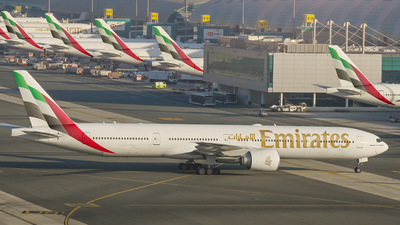
Travellers across the United Arab Emirates are being advised to plan journeys with caution as unstable weather conditions threaten to disrupt flight operations over the coming days, prompting major carriers to issue passenger advisories.
Airlines including Emirates, Air Arabia and flydubai have urged customers to check flight statuses before departure and allow additional time at airports, citing the likelihood of delays and schedule adjustments linked to adverse conditions.
Meteorological forecasts indicate periods of heavy rainfall, reduced visibility and strong winds across parts of the UAE and neighbouring air corridors, raising operational challenges for aviation authorities. Such conditions can disrupt take-offs and landings, particularly at busy hubs such as Dubai International Airport and Abu Dhabi International Airport, where high traffic volumes leave limited flexibility for rescheduling.
Airlines have begun issuing precautionary travel guidance, reflecting a pattern seen during previous bouts of volatile weather in the Gulf. Passengers have been advised to arrive earlier than usual, monitor updates through official channels, and remain prepared for last-minute changes. Some carriers have also highlighted the possibility of rerouting or holding aircraft in the air if visibility deteriorates beyond safety thresholds.
Aviation analysts note that weather-related disruptions in the region have grown more pronounced, particularly during seasonal transition periods when atmospheric instability can intensify rapidly. Thunderstorms, crosswinds and sudden downpours can reduce runway capacity and trigger cascading delays across interconnected global networks.
Airport operators are also reinforcing contingency plans. Ground handling teams are adjusting turnaround schedules, while air traffic controllers may impose spacing between aircraft to maintain safety margins. These measures, while necessary, can slow overall operations and contribute to knock-on delays affecting both arrivals and departures.
Passenger traffic through UAE airports has remained robust, driven by strong tourism flows and the country’s position as a global transit hub linking Europe, Asia and Africa. The scale of operations means that even minor disruptions can have a wider ripple effect across international routes. Industry data shows that peak travel periods amplify the impact of weather-related delays, particularly when multiple flights are scheduled within tight windows.
Carriers have emphasised that safety remains the overriding priority. Pilots operating in challenging weather rely on advanced navigation systems and real-time meteorological data, but regulatory protocols require conservative decision-making when conditions fall outside operational limits. Diversions to alternate airports, while inconvenient for travellers, are standard procedures under such circumstances.
The situation has also renewed attention on infrastructure resilience. Authorities have invested heavily in drainage systems and weather monitoring technologies following earlier episodes of flooding that disrupted transport networks. While these improvements have strengthened preparedness, experts caution that extreme weather events can still test capacity, particularly when rainfall intensity exceeds historical averages.
Travel agents report an increase in passenger enquiries as advisories circulate, with many seeking reassurance about connecting flights and accommodation arrangements in case of delays. Flexible booking policies introduced by airlines during periods of uncertainty have helped mitigate some concerns, allowing travellers to adjust itineraries without significant penalties.
Cargo operations, a critical component of the UAE’s logistics sector, may also face adjustments. Delays in freight handling can affect supply chains, especially for time-sensitive goods moving through major hubs in Dubai and Abu Dhabi. However, operators typically prioritise essential shipments and deploy contingency routing to minimise disruption.
The article Storm alerts disrupt UAE flight schedules appeared first on Arabian Post.
What's Your Reaction?