



















$160,000 for one flight to Istanbul: Private jet prices surge on fuel cost jump
Private jet travel costs have more than doubled to some destinations due to increases in fuel and insurance costs and longer flight routes following the outbreak of the Middle East military conflict involving the US, Israel and Iran, according to Adel Mardini, President and CEO of Jetex.In an interview with Khaleej Times, he said fuel costs alone have risen by around 25 to 30 per cent, as oil prices climbed from about $65 per barrel to nearly $115. Since fuel accounts for roughly half of total operating costs, this has significantly impacted pricing.Insurance premiums have also surged, particularly for flights to the Middle East. “In some locations, insurance can reach $40,000 to $50,000 per landing,” Mardini said.Stay up to date with the latest news. Follow KT on WhatsApp Channels.Airspace closures over countries such as Iraq and Iran have forced airlines to take longer routes, further increasing costs. For example, a flight to Istanbul now takes about six-and-a-half hours, compared to four hours previously, he added.Adel Mardini “As a result, private jet charter prices have more than doubled in some cases. A Dubai-Istanbul flight that used to cost $50,000-$60,000 (Dh183,500-Dh220,000) is now around $160,000 (Dh587,000),” said Mardini.Private aviation recoversJetex’s CEO said private aviation activity in the UAE is gradually rebounding after an initial slowdown triggered by regional conflict.Mardini said the business aviation sector has been impacted not just in the region, but globally, with some airspaces closed and routes disrupted. However, operations in the UAE continue to run at full airport capacity, with no major restrictions on arrivals or departures.“We have seen a drop in incoming flights, which is expected, but operations at the airport are running at 100 per cent. There are occasional delays, but no major issues with slots or movement,” he said.Jetex is currently operating at more than 30 per cent of its usual capacity, a significant improvement from the beginning of March when activity had nearly come to a halt.“Early in March, we almost had nothing. Today, every day is an improvement,” Mardini noted.The company, which operates at 44 airports globally with more than 1,000 staff, said the downturn is not limited to the UAE but reflects a broader global slowdown in business aviation.Demand stabilises as panic subsidesDemand for private aviation spiked briefly at the onset of the crisis as travellers rushed to leave the region. However, Mardini said that trend has since reversed as confidence in the UAE’s handling of the situation has strengthened.“In the beginning, people were panicking. But once they saw how the UAE managed the crisis, confidence returned. Many who left are planning to come back,” he said.He stressed that many high-net-worth individuals are choosing to remain in the UAE.He noted that the continued operations of Emirates airline to multiple global destinations have also helped restore confidence, signalling a return to normalcy.No job cuts, expansion plans intactDespite the temporary slowdown, Jetex has no plans for job cuts and continues to expand its global footprint.“We have zero plans to cut any positions. Training and certifying airport staff takes time, and we want to be ready when demand fully returns,” Mardini said.The company aims to expand its network from 44 to 50 airports across Africa, the Middle East and Europe by the end of this year or early next year.Mardini expressed optimism that the situation will stabilise soon, allowing the aviation sector to recover quickly.“The UAE has proven its resilience during past crises, from Covid-19 to the global financial crisis. We are confident it will bounce back strongly again,” he said.Flight cancellations by Middle East airlines drop to 14% as aviation sector recoversUAE aviation sector recovers as local carriers expand to around 150 destinations UAE airlines expand flights to over 250 destinations: Here’s the full list
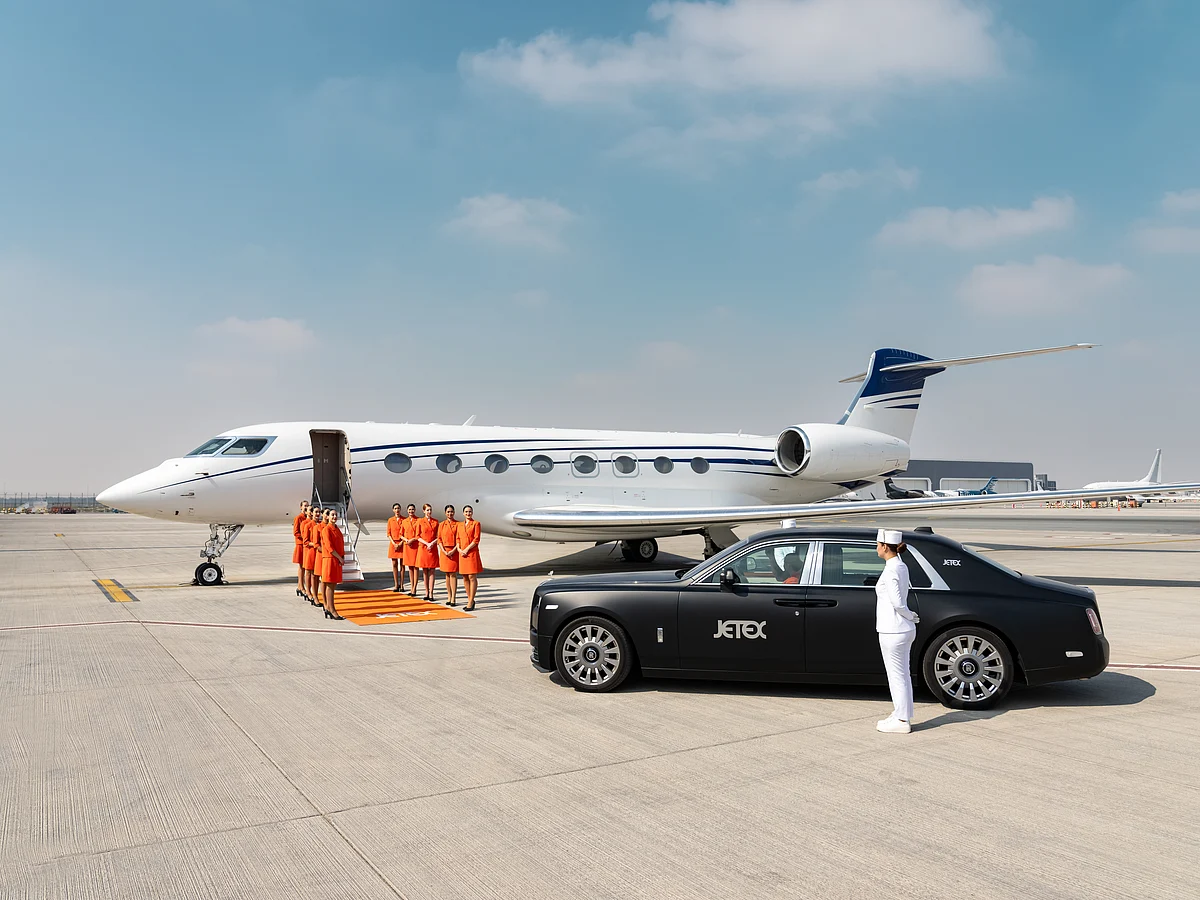
Private jet travel costs have more than doubled to some destinations due to increases in fuel and insurance costs and longer flight routes following the outbreak of the Middle East military conflict involving the US, Israel and Iran, according to Adel Mardini, President and CEO of Jetex.
In an interview with Khaleej Times, he said fuel costs alone have risen by around 25 to 30 per cent, as oil prices climbed from about $65 per barrel to nearly $115. Since fuel accounts for roughly half of total operating costs, this has significantly impacted pricing.
Insurance premiums have also surged, particularly for flights to the Middle East. “In some locations, insurance can reach $40,000 to $50,000 per landing,” Mardini said.
Stay up to date with the latest news. Follow KT on WhatsApp Channels.
Airspace closures over countries such as Iraq and Iran have forced airlines to take longer routes, further increasing costs. For example, a flight to Istanbul now takes about six-and-a-half hours, compared to four hours previously, he added. Adel Mardini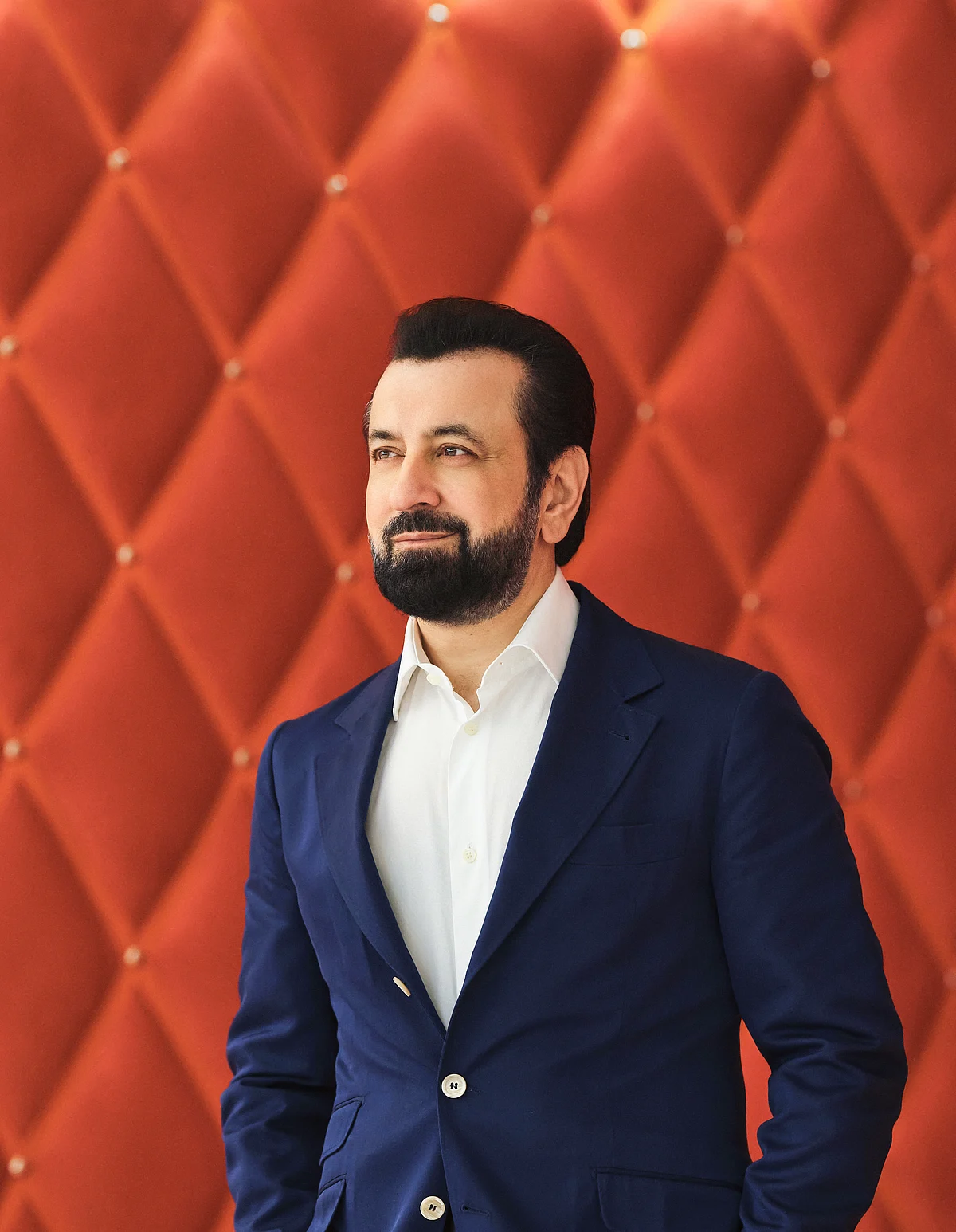
“As a result, private jet charter prices have more than doubled in some cases. A Dubai-Istanbul flight that used to cost $50,000-$60,000 (Dh183,500-Dh220,000) is now around $160,000 (Dh587,000),” said Mardini.
Private aviation recovers
Jetex’s CEO said private aviation activity in the UAE is gradually rebounding after an initial slowdown triggered by regional conflict.
Mardini said the business aviation sector has been impacted not just in the region, but globally, with some airspaces closed and routes disrupted. However, operations in the UAE continue to run at full airport capacity, with no major restrictions on arrivals or departures.
“We have seen a drop in incoming flights, which is expected, but operations at the airport are running at 100 per cent. There are occasional delays, but no major issues with slots or movement,” he said.
Jetex is currently operating at more than 30 per cent of its usual capacity, a significant improvement from the beginning of March when activity had nearly come to a halt.
“Early in March, we almost had nothing. Today, every day is an improvement,” Mardini noted.
The company, which operates at 44 airports globally with more than 1,000 staff, said the downturn is not limited to the UAE but reflects a broader global slowdown in business aviation.
Demand stabilises as panic subsides
Demand for private aviation spiked briefly at the onset of the crisis as travellers rushed to leave the region. However, Mardini said that trend has since reversed as confidence in the UAE’s handling of the situation has strengthened.
“In the beginning, people were panicking. But once they saw how the UAE managed the crisis, confidence returned. Many who left are planning to come back,” he said.
He stressed that many high-net-worth individuals are choosing to remain in the UAE.
He noted that the continued operations of Emirates airline to multiple global destinations have also helped restore confidence, signalling a return to normalcy.
No job cuts, expansion plans intact
Despite the temporary slowdown, Jetex has no plans for job cuts and continues to expand its global footprint.
“We have zero plans to cut any positions. Training and certifying airport staff takes time, and we want to be ready when demand fully returns,” Mardini said.
The company aims to expand its network from 44 to 50 airports across Africa, the Middle East and Europe by the end of this year or early next year.
Mardini expressed optimism that the situation will stabilise soon, allowing the aviation sector to recover quickly.
“The UAE has proven its resilience during past crises, from Covid-19 to the global financial crisis. We are confident it will bounce back strongly again,” he said.
What's Your Reaction?